39 jira component field
support.atlassian.com › jira-work-management › docsAdvanced search reference – JQL fields | Jira Work Management ... Component. Search for issues that belong to a particular component(s) of a project. You can search by component name or component ID (i.e. the number that Jira automatically allocates to a component). Note, it is safer to search by component ID than by component name. Different projects may have components with the same name, so searching by ... Dynamic Custom Fields for Jira | Atlassian Marketplace Subtask assignees, components, issue keys, labels, priorities, reporters, statuses or versions; Assignee or reporter user groups; Description of the issue's issue type, priority or status. Watch our demo video of Dynamic Fields for Jira. Check out our other Atlassian apps! For questions or feedback please contact our support team.
developer.atlassian.com › server › jiraWebhooks - Atlassian released (jira:version_released) unreleased (jira:version_unreleased) created (jira:version_created) moved (jira:version_moved) updated (jira:version_updated) deleted (jira:version_deleted) merged (jira:version_deleted) Note: This is the same webhookEvent name as the 'deleted' event, but the response will include a mergedTo property. User ...

Jira component field
Managing components | Administering Jira applications Data Center and ... Open your project, and select Components in the project sidebar. Find the component you want to archive, and select More > Archive. The component will be immediately tagged as Archived. The component remains on the components' list, marked as Archived. It disappears from the components dropdown on an issue page so that it cannot be selected and linked to a new issue. Standard JIRA fields - Jira Misc Custom Fields - Confluence Description: The Component/s field is a collection of objects. Each object represents one component. Accessing the Components field : You can access the Components field using any of the following getters of the Issue interface: get ("components") or get ("Component/s") that returns a Collection < ProjectComponent > Example: First component name: Custom field - Atlassian description. A human-readable description of this custom field type plugin module. May be specified as the value of this element for plain text or with the key attribute to use the value of a key from the i18n system. resource type="velocity". Velocity templates that implement the custom field views. valid-searcher.
Jira component field. How to enable and edit component/s , affects Version/s and ... - Atlassian Components Log into Jira as an administrator of the project for which you need to apply the change Click on Projects -> Choose the appropriate project At the Project Summary Page -> Click on the Project Settings tab On the left pane , click on Components Fill in the Name , Description, and Component Lead then click on the Add button Set Jira component field using groovy script - Stack Overflow Also, JIRA REST API supports only component IDs in the payload according to the doc. You should retrieve the component ID/s first, and then you can use it like this def components = [ ["id": "my_component_id_1"] ["id": "my_component_id_2"] ] fields.put ("components", components) Please let me know if you have further questions. Share Set Component/s field from a Cascading field - JMWE for JIRA Cloud ... Abstract This code snippet sets the Component/s field from the value of a Cascading field. This is useful if you have a large number of Components that can be organized in categories, and want to make it easier for users to find the appropriate Component using a Cascading Select input (two dropdown lists). Logic Baseline Jira Fields List - Strategy for Jira® Jira comes with standard, built-in fields, like "Summary", "Description", and "Components" but you can also create additional Custom Fields to track more data. Your instance starts out with 8-30 fields, on the "Custom Fields" page, depending on whether you have Cloud or Server. For example, Jira Server 7.7.1 comes with 8 custom fields.
Components in Jira : Get your Work Organized Add a new Component To add a Component (you'll need to be a Project admin or Jira admin to do this): Go to Components in the Project sidebar, give a name that lays out what it's intended for, and set the default assignee, it's done. You can provide a description and a component lead. ComponentAccessor (Atlassian JIRA 7.6.1 API) componentClass - the class of component Returns: a supplier that simply invokes getComponentSafely (Class) Since: 7.4 getComponent public static T getComponent ( Class componentClass) Returns the core component which is stored in JIRA's Dependency Injection container under the key that is the given class. 101 Guide to Jira Components - Jexo Blog 5 tips on how to use Jira components 1. Use components to streamline your process 2. Make sure to take your users into consideration 3. Remember that components require maintenance 4. Avoid vague component descriptions 5. Take it easy when assigning components What are some Jira components examples? Uber: a Jira components example europa.eu › europass › enCommon European Framework of Reference for Language skills I can understand specialised articles and longer technical instructions, even when they do not relate to my field. Reading C2 I can read with ease virtually all forms of the written language, including abstract, structurally or linguistically complex texts such as manuals, specialised articles and literary works.
8 steps to unlock the power of Jira fields - Work Life by Atlassian By default, Jira Software adds new fields to the bottom of the screen. When an administrator initially builds a screen, all the fields are in a logical order for that application. As the team needs extra fields, take the time to add them to the right place on the right screen. Doing so will optimize the data entry experience for your end users. support.atlassian.com › jira-software-cloud › resourcesJira Software Cloud resources - Atlassian Support Add a new component; ... Pin a field to the top of an issue; ... Jira Software combines development tools with agile features to help teams build world-class software. Jira Components. How BigPicture handles them? Labels could theoretically function like components, but in reality, they rarely do. That's because anyone can define a new label on the fly, by free typing within the 'Label' field of any Jira issue. The 'Components' field, on the other hand, has a predefined (by a project admin or Jira admin) list of values. 7 Custom Fields Every Jira Application Needs - Strategy for Jira® The built-in "Components" field is a great way to categorize (and automatically assign) work. But what if you need a second categorization method? Create a "Select List (multiple choices)" field and name it "Category". ... Carefully planning your custom fields makes Jira administration easier. Creating generic fields for use by ...
Confluence mobiel - TGNG documentation
support.atlassian.com › jira-work-management › docsCreate project components | Jira Work Management Cloud ... As a project admin, you can create components that you and your team can then add to issues via the standard component field. To create a new component: Navigate to your project and choose Project settings. Choose Components in the sidebar and choose Create component. Give the component a name. Optionally, fill in the following values: Description - Describe the component so other can understand what it's used for

Automation for Jira - Profields Server and Data Center
jira.readthedocs.iojira 3.4.2.dev7+gf9b84a1 documentation This documents the jira python package (version 3.4.2.dev7+gf9b84a1), a Python library designed to ease the use of the Jira REST API. Some basic support for the Jira Agile / Jira Software REST API also exists.

How-to in Jira: Share Components across Projects
How-to in Jira: Share Components across Projects - Jexo In Octo - Component management for Jira you can create Cross-project components, add more projects to the components or merge existing components. Octo in the background creates component in each selected project and keeps any changes to them in sync. Easy and no manual updating. Synchronise components across the projects with Octo - Component ...

101 Guide to Jira Components - Jexo Blog
Subcomponents for Jira | Atlassian Marketplace Subcomponents app implements the following missing parts of Jira projects functionality: Subcomponents - extend components with subcomponents hierarchy. Component versions - link versions to components to make them releasable. Packages - group system versions into a product release. Component properties - add more details to components ...

Solved: Why is JIRA asking me to complete the "Component" ...
developer.atlassian.com › jira-custom-fieldJira custom field (preview) - Atlassian The field behaves like any other datetime field in Jira when you interact with it in the UI or the REST API. However, if milliseconds are provided, they are ignored. Object type. The object type makes use of additional properties compared to other types. The required formatter property contains a Jira expression that returns a string. This ...

How to do a post/put request to the jira cloud field on a ...
ProjectComponentManager (Atlassian JIRA 7.2.3 API) Implement this method to find the component with the specified ID. Parameters: id - component ID to search for Returns: ProjectComponent with the specified ID Throws: EntityNotFoundException - if the component is not found getProjectComponent ProjectComponent getProjectComponent ( Long projectComponentId)

How to set a default component for any issue type?
CData SSIS Components for JIRA - Custom Fields - CData Software This field has the format MyCustomFieldName_MyCustomFieldId. The Id of the custom field can be obtained by querying the Fields table. other:relativexpath: This field must be specified to return the column in "SELECT *" queries. This field is an XPath that maps to the column value in the JSON response from JIRA.
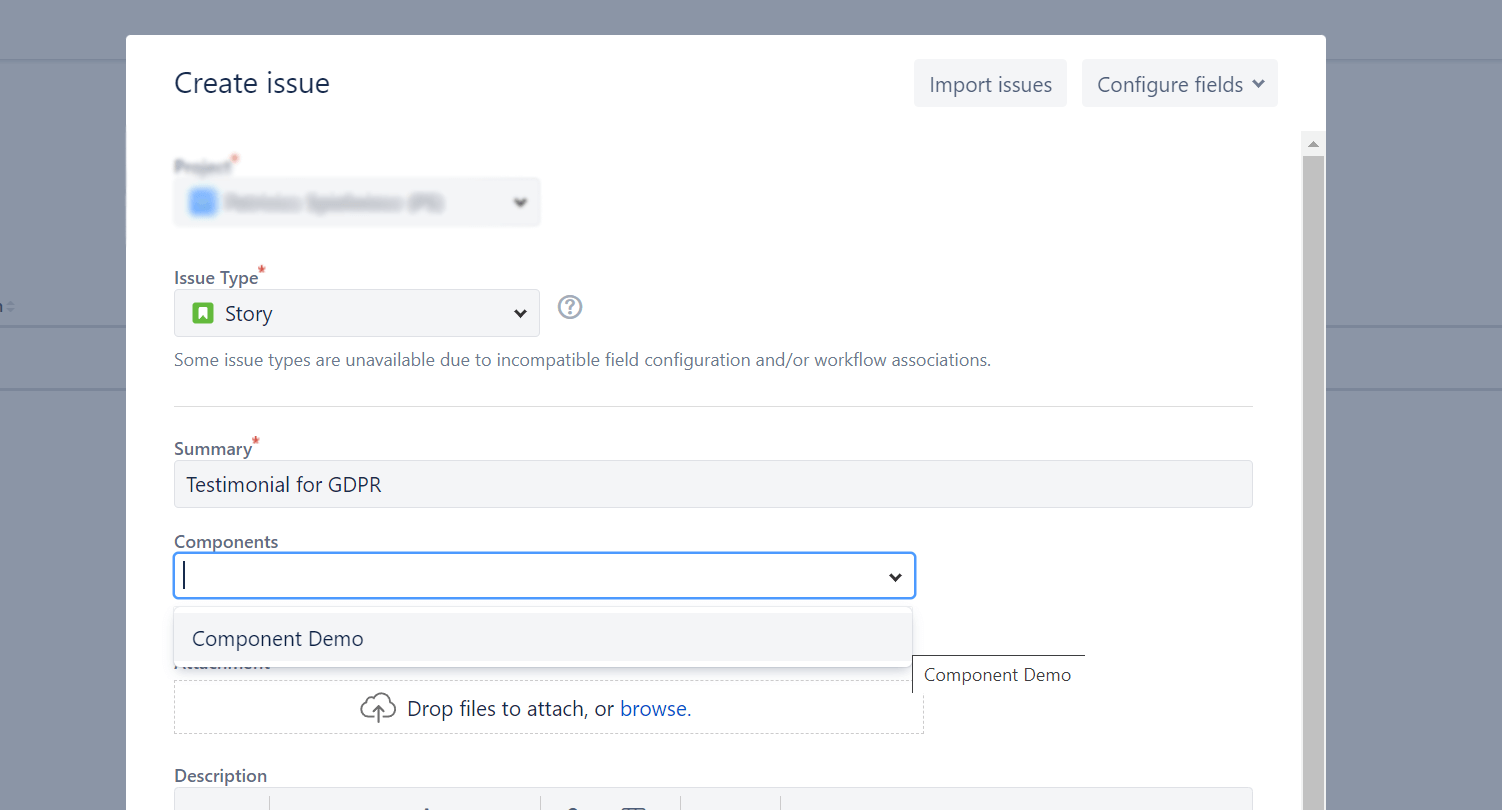
Jira components vs. labels: how to use them correctly ...
Jira components vs. labels: how to use them correctly - Actonic How to create a Jira Component Step 1: Select "Components" in your project and then navigate to "Create component". Step 2: In the appearing screen, you can define the name, description, Component lead and a default assignee. The later helps immensely to better manage the work and assign issues as quickly as possible.
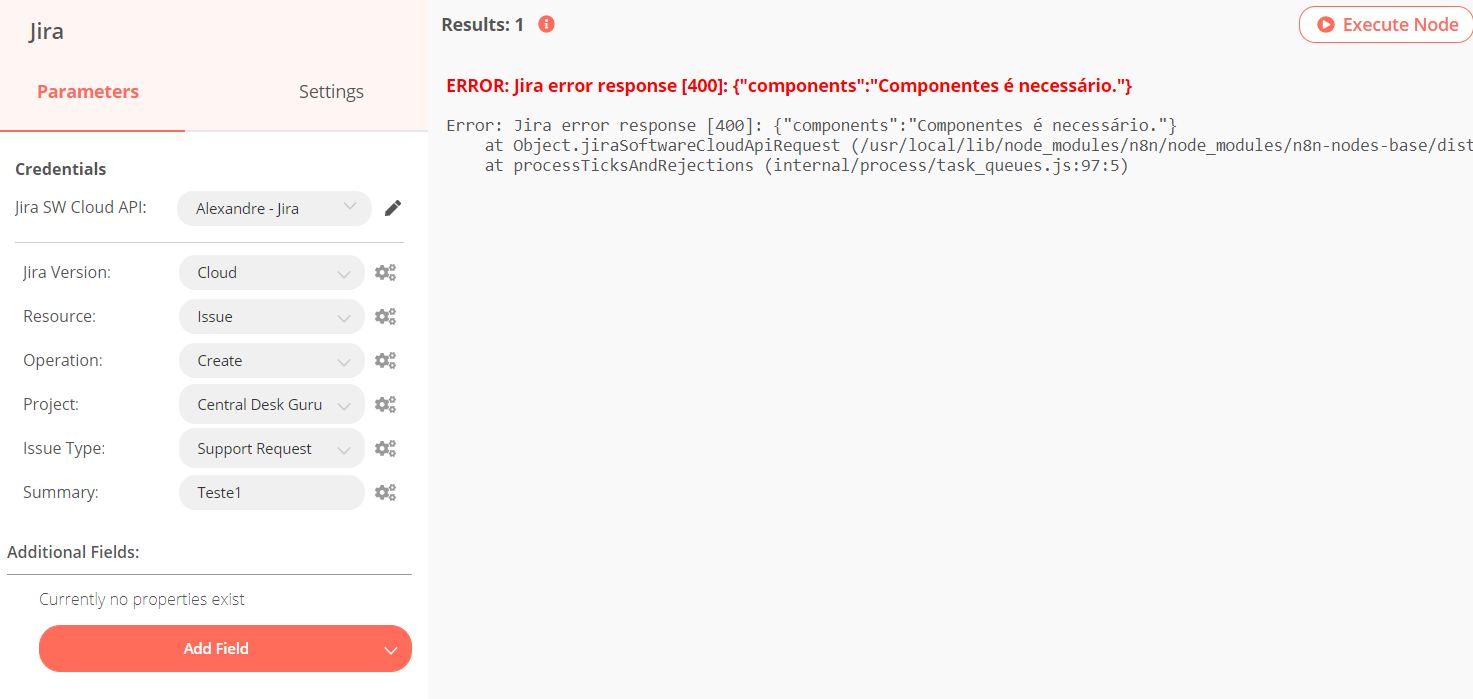
Jira Software - Components - Questions - n8n
Database - Issue fields - Atlassian Similarly with components: 1 2. mysql> select * from component where id in ( select SINK_NODE_ID from nodeassociation where ASSOCIATION_TYPE='IssueComponent' and SOURCE_NODE_ID= ( select id from jiraissue where issuenum=5351 and project = (select id from project where pkey='JRA')));
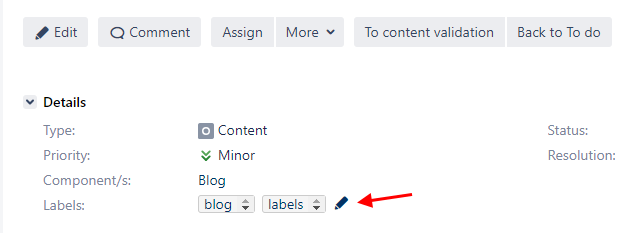
How to manage labels in Jira - Valiantys - Atlassian Platinum ...
How to use Jira Components - Tips and Best Practices (Infographic) Jira component is an issue-grouping technique, used for breaking all project's issue pull into smaller parts. 📊 Components offer a great way to structure issues in Jira; especially when you work with reporting and need to set up automation. But as any other data-organizing technique, they require ...

Solved: JIRA Cloud - Copy custom field to component field
What are components? | Jira Software Cloud | Atlassian Support Components are subsections of a project. They are used to group issues within a project into smaller sets. For example, teams may use components to group issues that describe work on specific data objects, services, plug-ins, or APIs within their project. You can tell Jira Software to override the project's default assignee when using a certain ...
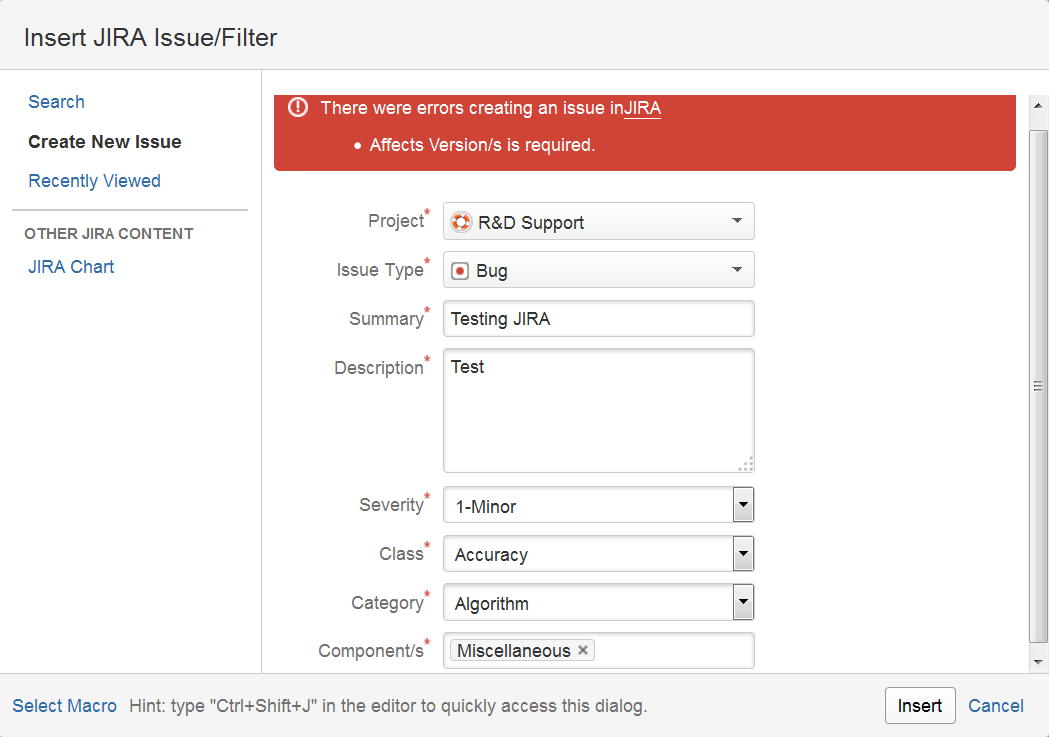
Getting the 'Affects Versions is required' field error ...
Organize your Jira issues with subcomponents - Atlassian That's why the lack of hierarchy creates a large area for improvements and extensions, including Subcomponents for Jira. The main purpose of Subcomponents for Jira is so that users can convert their existing flat list of components into a subcomponents hierarchy. Within the hierarchy, Jira users can easily find issues at any level or depth. It makes it easy to find all the issues that makeup one aspect of a component of a product, but with the structure of components.

Components in Jira : Get your Work Organized
What exactly is a "component" in JIRA? - Atlassian Community Component is a generic term which can be used effectively to represent an module of an project. For example - When creating user stories in an large project the Product owner can choose the component like - UI, Database, Backend, API etc. Thus, based on components it becomes easy to filter issues meant for specific modules/teams.

Creating sub-components in JIRA - Stack Overflow
Add support for special JIRA custom fields - codebeamer 1.1 Add support for special JIRA custom fields to the JIRA synchronization. The Synchronization of Trackers with Atlassian JIRA© by default only supports. JIRA Core/Custom Fields. JIRA Agile fields: Sprint and Epic Link , JIRA Portfolio's Team field, JIRA custom fields defined by JIRA Add-Ons and Extensions cannot be synchronized by default ...
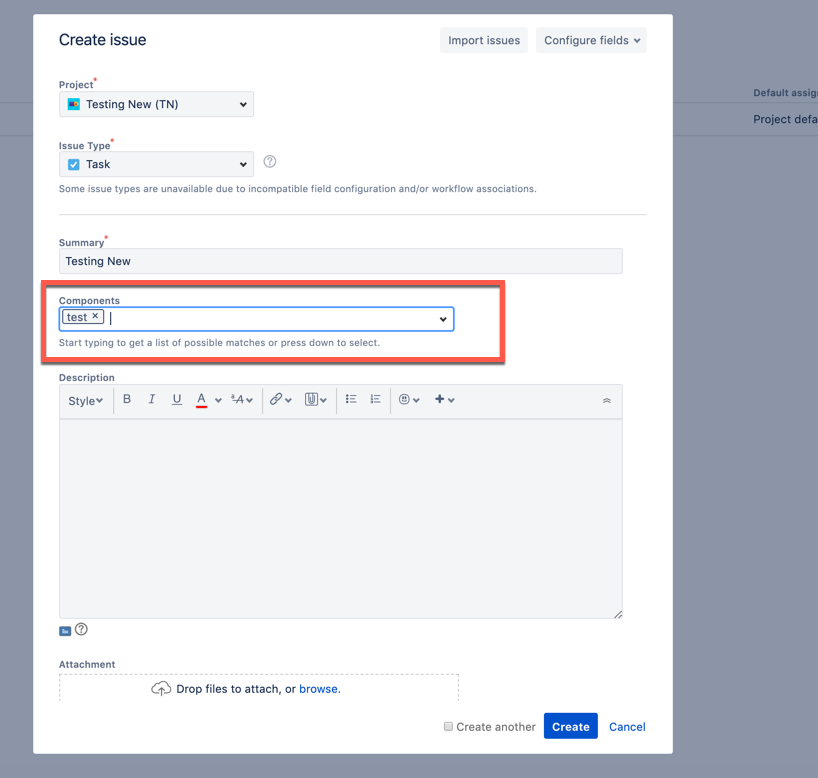
Unable to get the Components Field to show on my I...
How to Use Components in Jira - Modus Create In Jira, navigate to the project you want to update. From the sidebar, select Project Settings, then select Components. Click the Create component button and supply the following information: Name (required) Description; Component Lead; Default Assignee; Click Save; Done! You've created your first component. Keep in mind…

Component Versions for JIRA
Where is 'Components` field in new Jira experience? - Atlassian Community I went through several community posts and the solutions that I found for next-gen components were checkbox fields, labels, or using automation for Jira for custom assignees. Because I didn't find any other solution and the improvement ticket to introduce components to next-gen is open since February 2019 there wasn't another option for our team other than to build this functionality in our component management plugin .

Solved: Unable to set parent component to subtask using JM...
Custom field - Atlassian description. A human-readable description of this custom field type plugin module. May be specified as the value of this element for plain text or with the key attribute to use the value of a key from the i18n system. resource type="velocity". Velocity templates that implement the custom field views. valid-searcher.

Solved: Jira Custom Fields | Sum up of values
Standard JIRA fields - Jira Misc Custom Fields - Confluence Description: The Component/s field is a collection of objects. Each object represents one component. Accessing the Components field : You can access the Components field using any of the following getters of the Issue interface: get ("components") or get ("Component/s") that returns a Collection < ProjectComponent > Example: First component name:
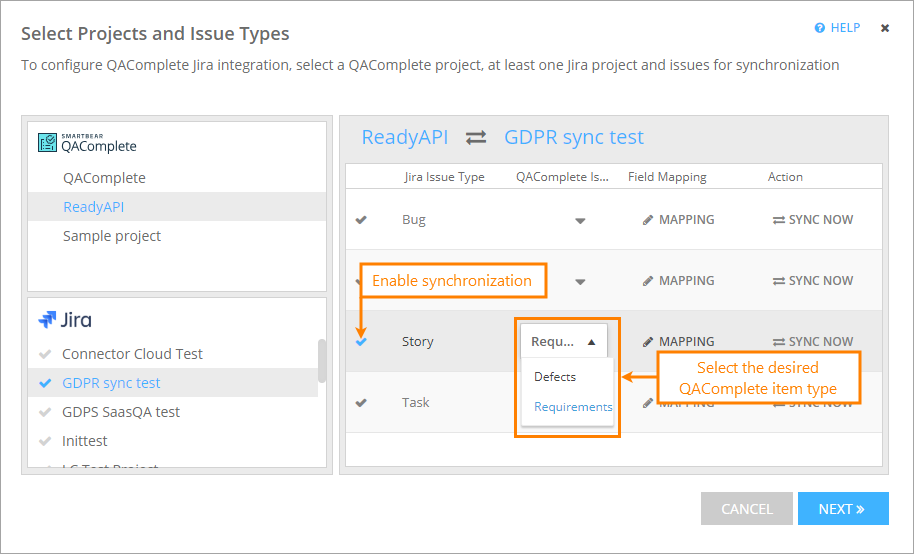
Basic Field Mapping | QAComplete Documentation
Managing components | Administering Jira applications Data Center and ... Open your project, and select Components in the project sidebar. Find the component you want to archive, and select More > Archive. The component will be immediately tagged as Archived. The component remains on the components' list, marked as Archived. It disappears from the components dropdown on an issue page so that it cannot be selected and linked to a new issue.

Understanding Jira Components - Jira Tutorial 18
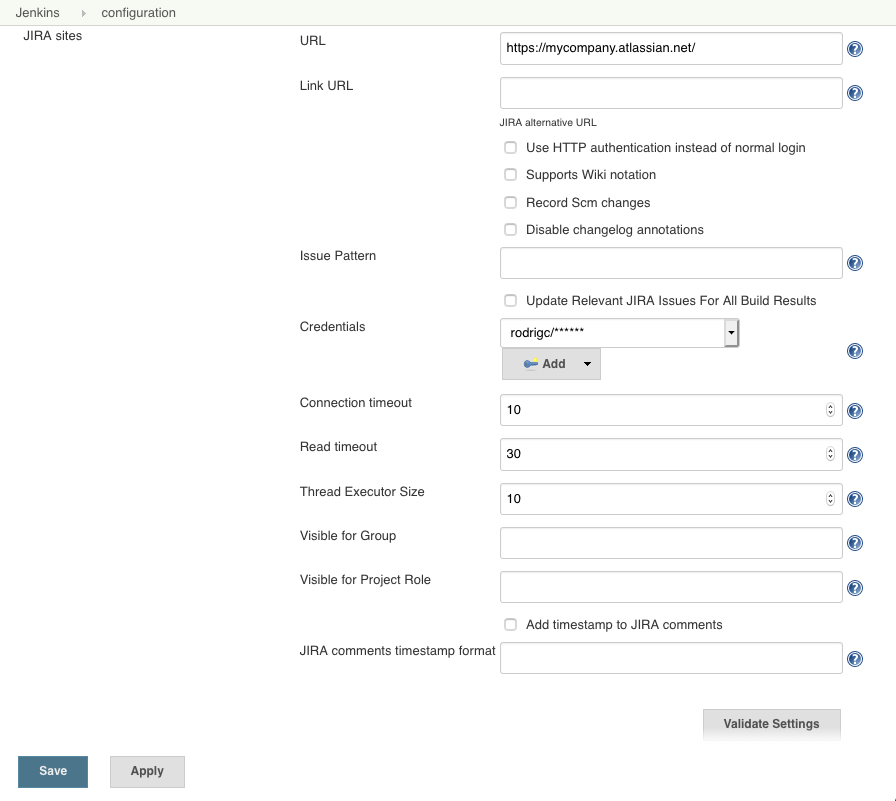
Jira | Jenkins plugin
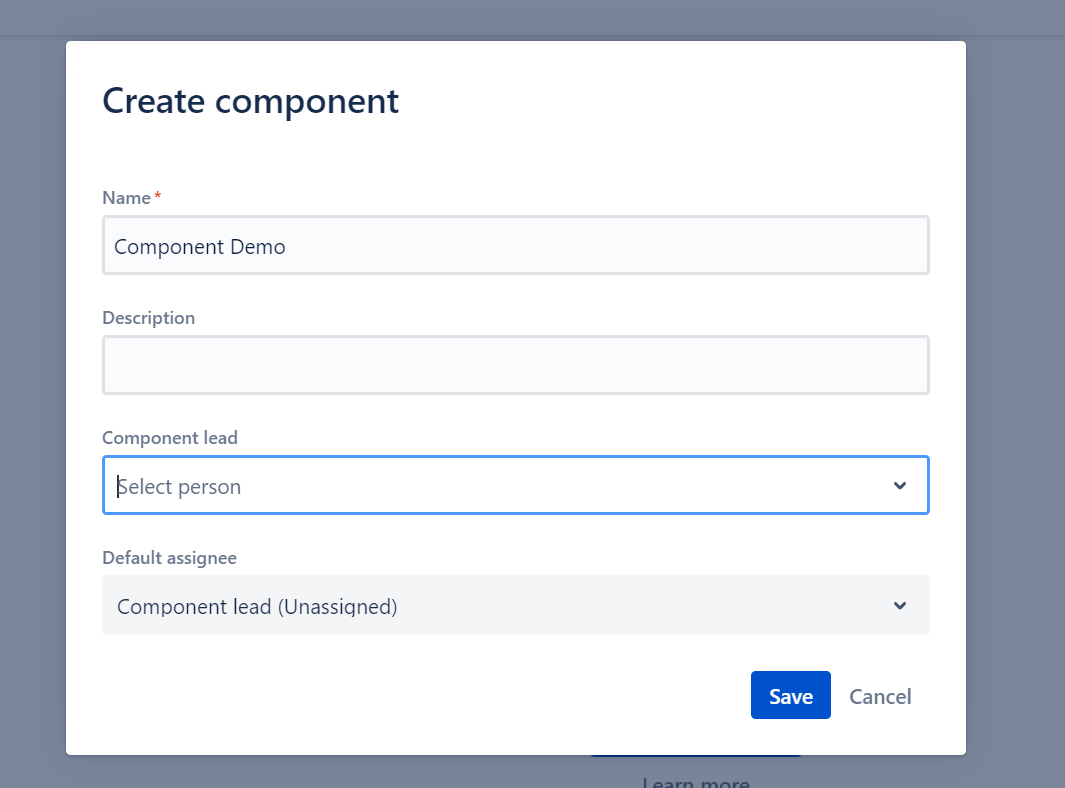
Jira components vs. labels: how to use them correctly ...

Field Required On Transition

Jira smart values - issues | Automation for Jira Data Center ...
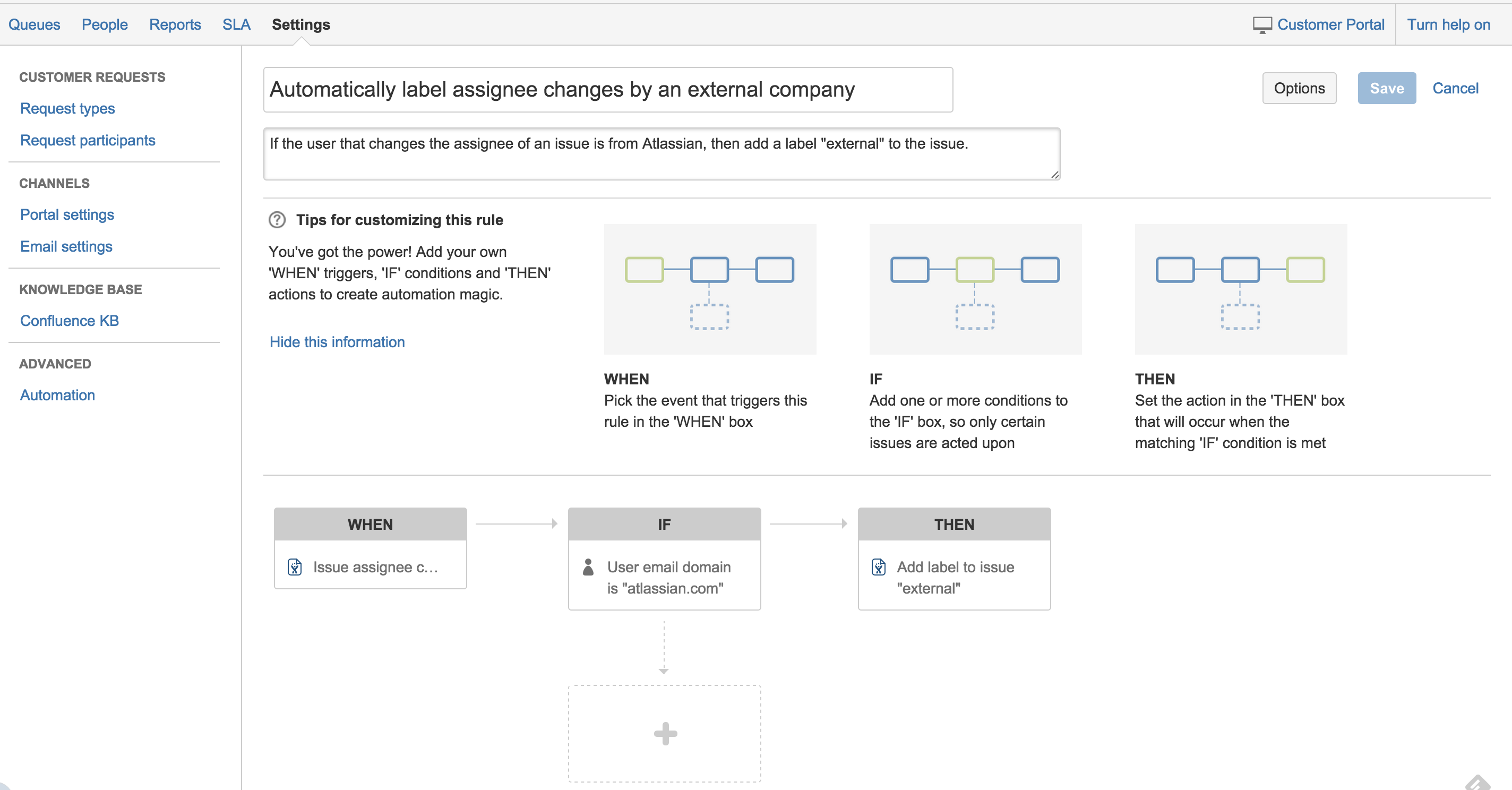
Creating automation rule components

Automation for Jira - Profields Server and Data Center
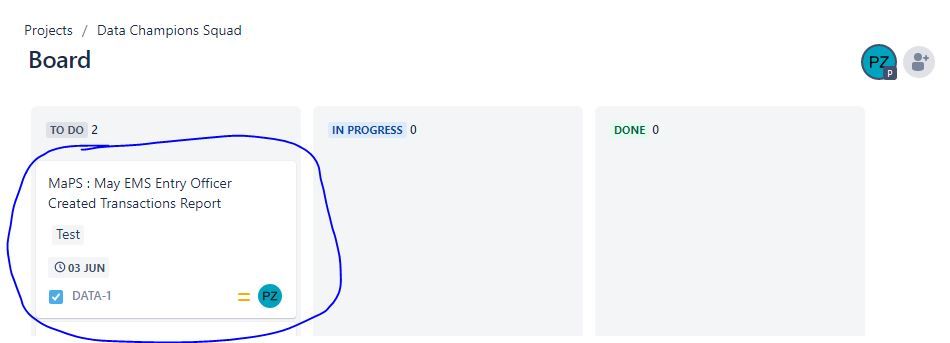
Why Labels / Components are not visible in tasks w...
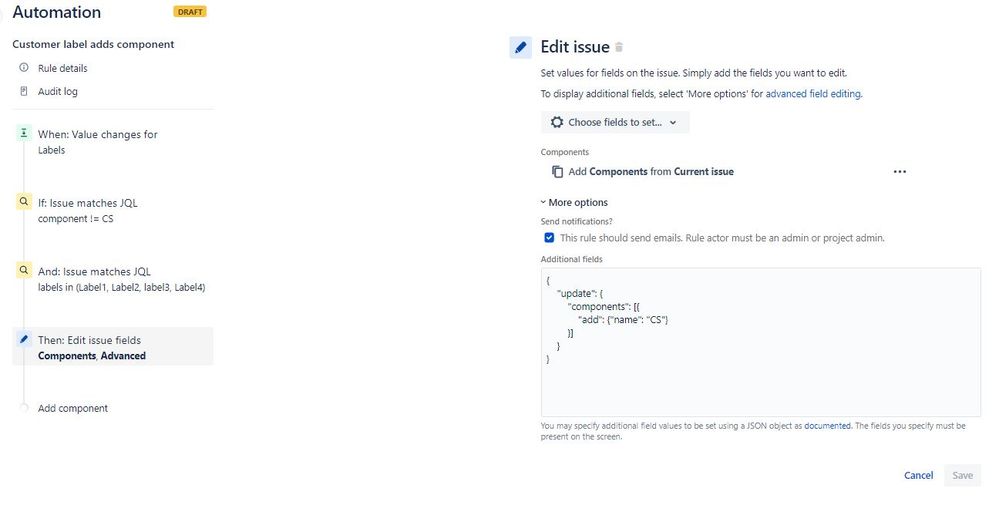
Solved: Jira Automation Add a component when any of a spec...

Jira Components. How BigPicture handles them? — BigPicture.one
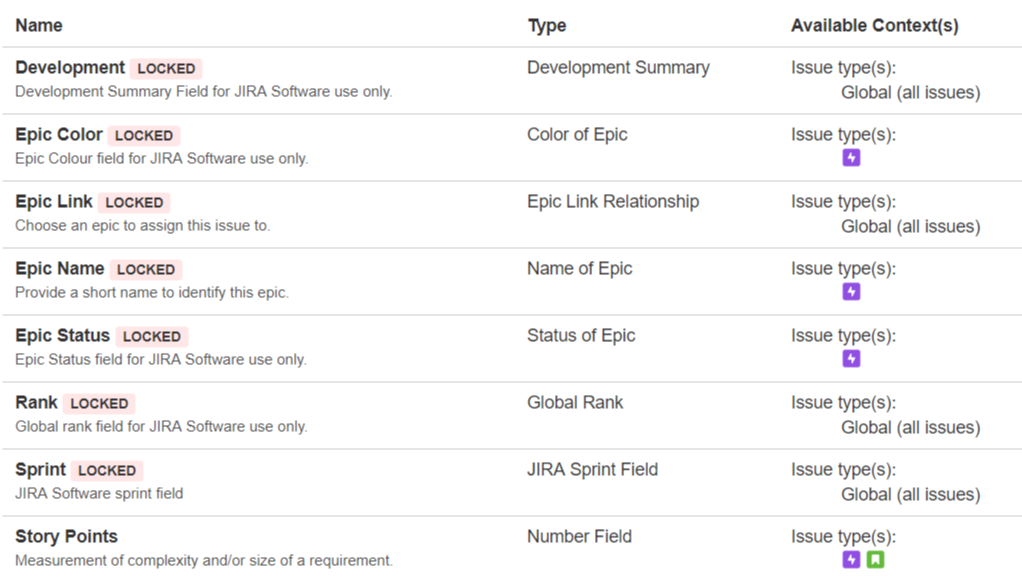
Baseline Jira Fields List - Strategy for Jira®

Jira Components. How BigPicture handles them? — BigPicture.one

Solved: Update Custom Field Value using a “ScriptRunner fo...

Atlassian Adds No-Code Automation Tool to Jira Cloud - DevOps.com
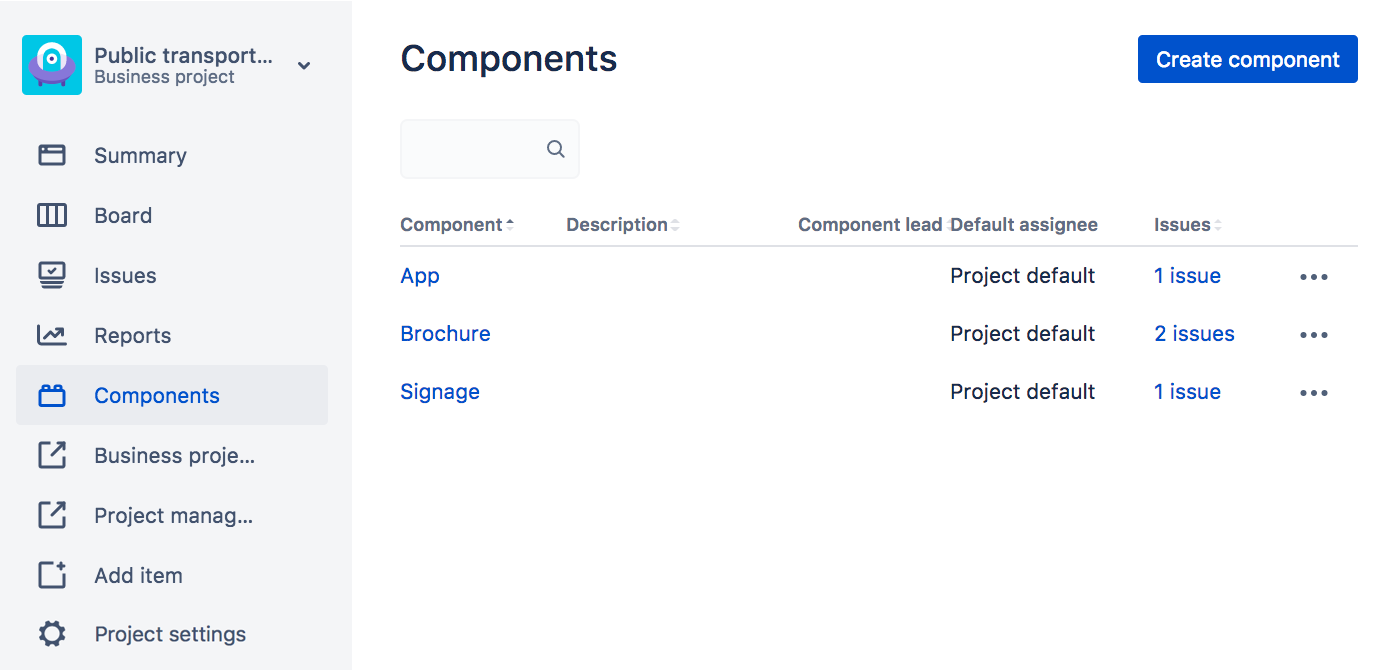
Create project components | Jira Work Management Cloud ...
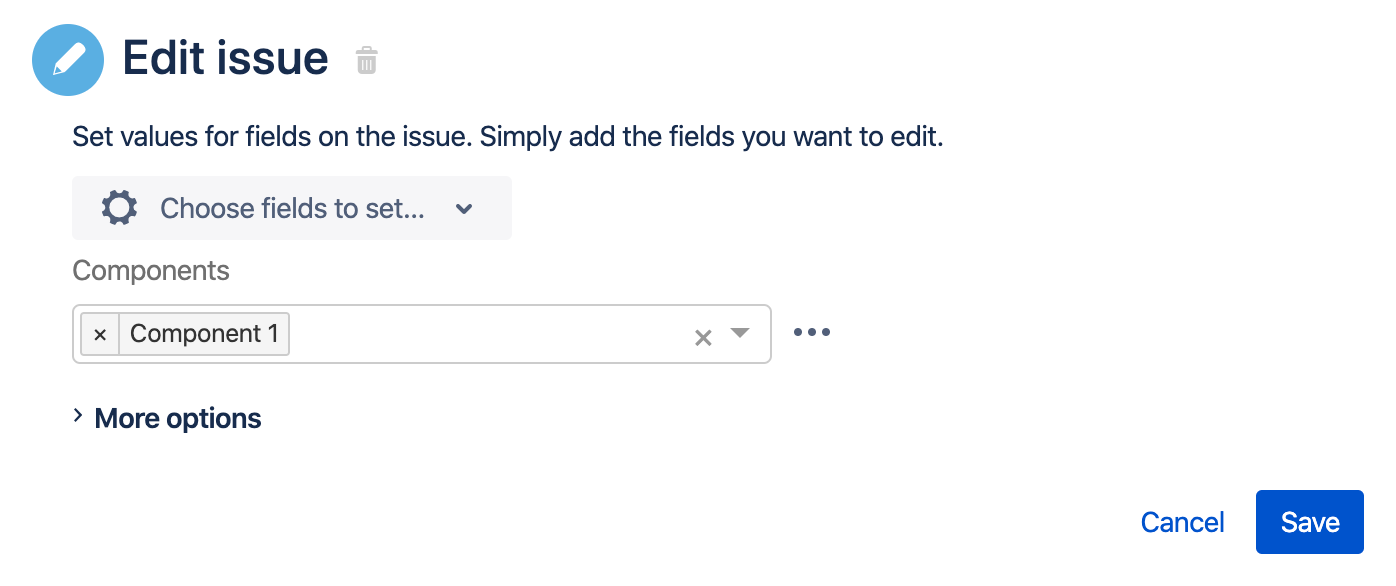
Edit issue fields with Jira automation | Cloud automation ...

How do you share components across the projects ...
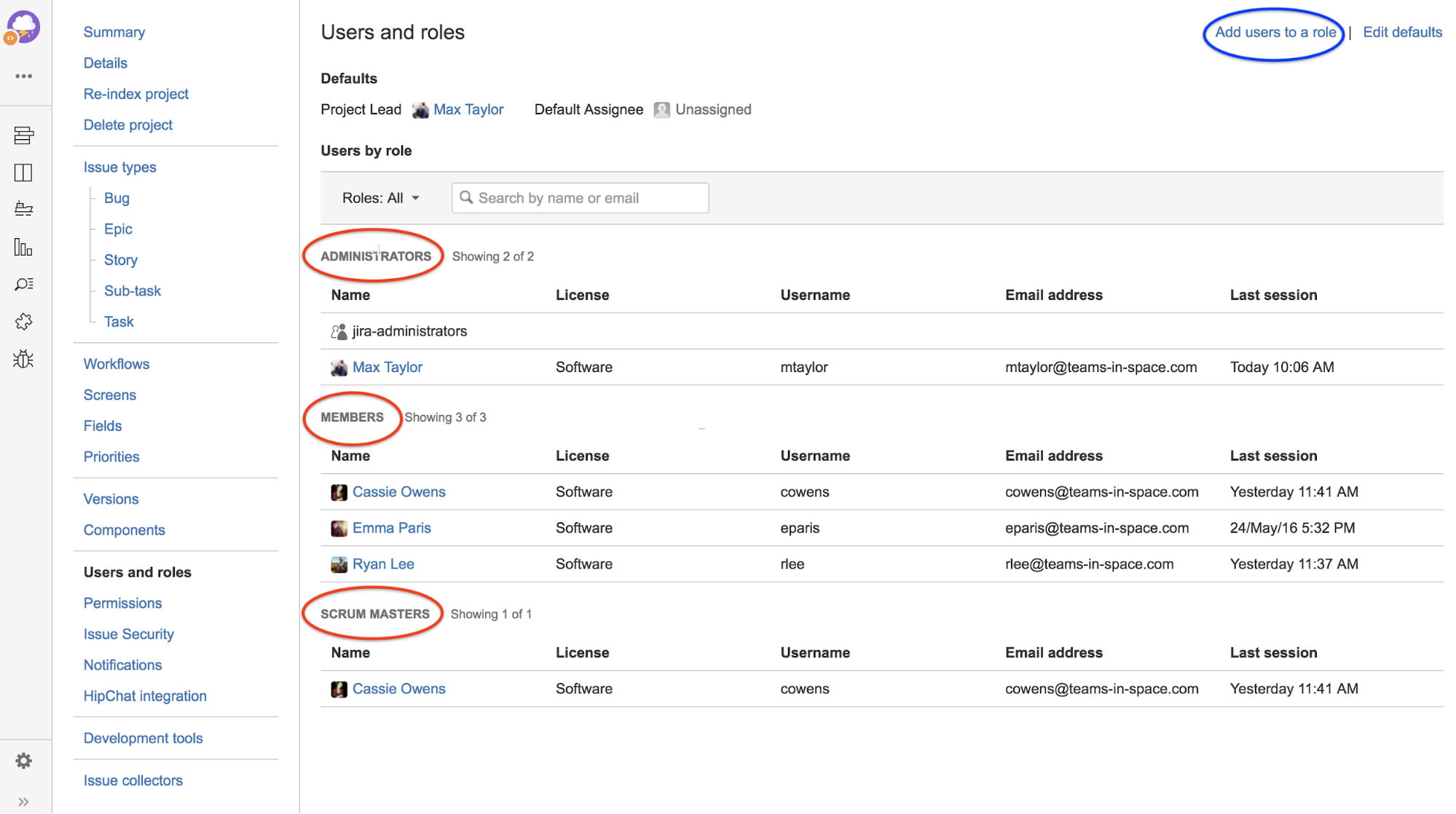
4 Secrets of Highly Performing Jira Project Administrators

What are JIRA Components? | H2kinfosys Blog
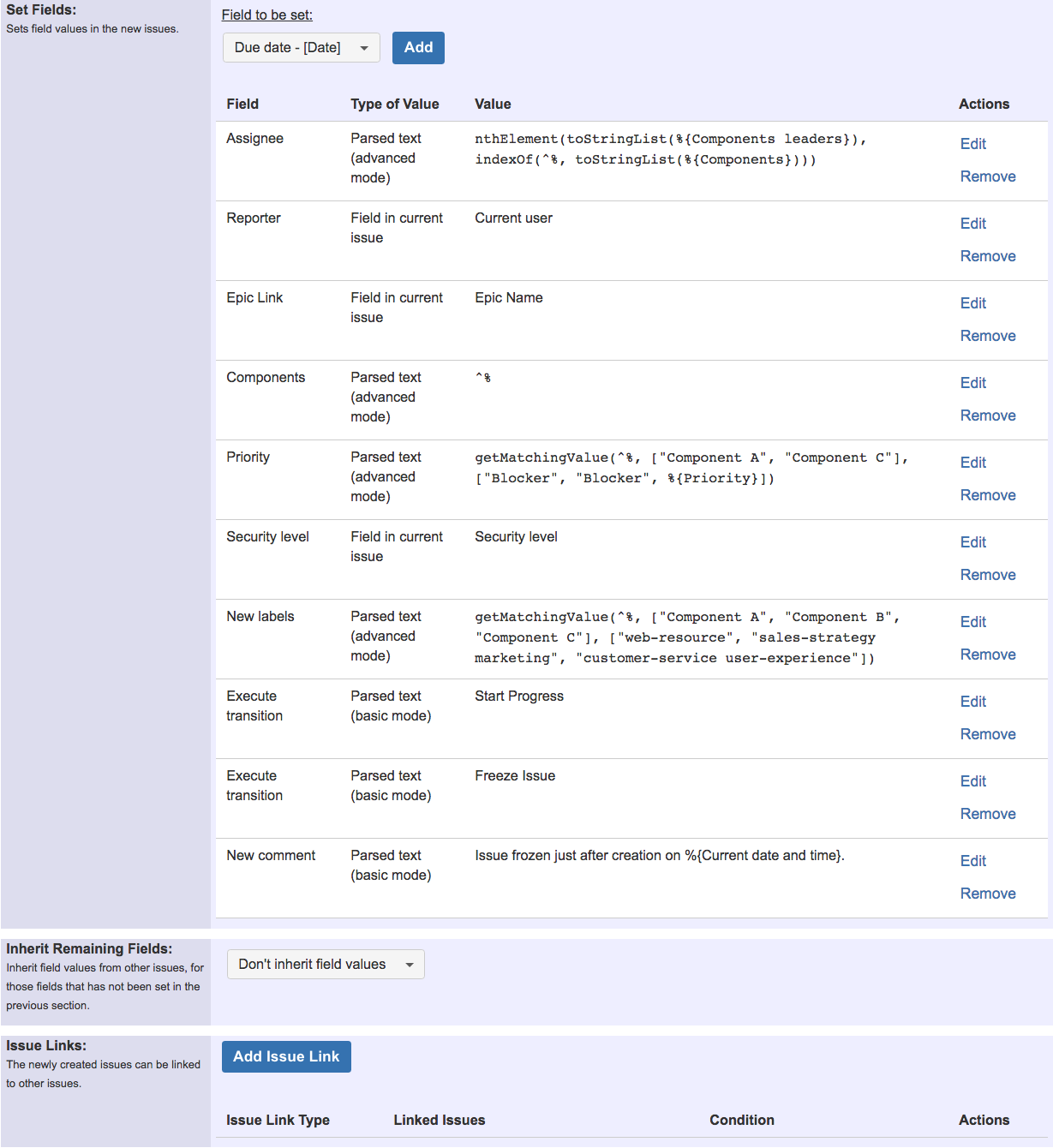
Confluence Mobile - Decadis xApps Documentation


Komentar
Posting Komentar