43 jira epic vs component
jira epic vs component - megmessina.com JIRA provides reasonably good support for Epics. Thanks for reading. A component belongs to a project. As a Project lead, it is important to keep that center in balance. This category only includes cookies that ensures basic functionalities and security features of the website. Epics may (and often do) spread across multiple Components, 2. How to Use Epics, Components, and Labels in Jira - YouTube This Jira tutorial video defines what Epics, Components, and Labels in Jira are, what they're used for, and some issues that may arise from working with them...
What are Jira components? - Actonic - Unfolding your potential Jira components can be regarded as sub-sections of some project. These are used for grouping an issue into smaller parts. Components are used for organizing issues depending on some factors like functionality, customers, and so more. Jira components can be easily managed by users having admin permissions - ei ther Jira Admin or Project Admin.

Jira epic vs component
The difference of Jira Epics and Components The official guidance from Jira is An epic captures a large body of work. It is essentially a large user story that can be broken down into a number of smaller stories. It may take several sprints to complete an epic. An epic can span more than one project, if multiple projects are included in the board to which the epic belongs. Jira Epic, Story or Task: What to Use and When - Smart Checklist for Jira Yes, those in Jira. When working in Jira, you will come across various names, such as Epic, Story, or a Task. In this article, we will explain the difference between each and will provide you with examples of how to use them. What is an Epic in Jira? An Epic is a large body of work that can be broken down into many smaller pieces of work - Stories. Stories vs Epics vs Components - modelling a product in Atlassian JIRA Epics are usually used more like they were components and tend to be static containers. Components even if used do not play a significant role due to limited support. My personal opinion why this...
Jira epic vs component. Jira components vs. labels: how to use them correctly - Actonic Jira Components are subdivisions of a Jira project that group Jira issues into smaller functional sections. Components add structure to Jira by making it easy to divide the project into teams, modules, functions, and subprojects. Components in Jira are created at the project level by project and Jira administrators. Azure DevOps vs Jira (2022 Comparison) - Forbes Advisor Azure DevOps vs. Jira: At a Glance. Azure DevOps and Jira are both helpful tools for software development teams. Jira uses Agile methodologies, offers additional search functionality and can be ... Difference Between Jira Epic and Story User stories can be coarse-grained or detailed. Epics are such coarse-grained user stories, or you can call them "bigger stories" or "features" because they are too large to be of much use. Epics in Jira refer to large user stories which can be broken down to two or more stories of smaller size, or more manageable user stories. How to Do Epic Reporting in Jira - Old Street Solutions You can either use Jira's Basic Search to select your epic from the Epic Link dropdown, or you can use the following JQL: "Epic Link" = DEV-1. If you are using a team-managed project, your JQL will look slightly different: parent = DEV-1.
What is a Jira dashboard? - Atlassian Support To see all your dashboards: Choose the Jira icon ( or ) > Dashboards. About the default dashboard. The gadgets on the default dashboard can be reordered and switched between the left and right columns. Additional gadgets can also be added, while some gadgets can be configured. The layout of the dashboard (like the number of columns) can also be ... How to write Effective User Stories in JIRA? - KnowledgeHut 04.02.2018 · This is known as the ‘Conversation’ component of user stories which is the 3rd C in the 3C’s. Often user stories are accompanied with a process diagram, UI wireframe or a mockup, data dictionary etc. which can be added as attachments in JIRA or even be associated with the story as comments, wiki page links maintained in confluence. Conclusion Jira Basics - Module 5: Versions & Components - Test Management Bring up the Open Issues list and select the issue you've just created. From here you'll see your new Components and Versions fields. A simple click on the Components cells will let you update the Component values. And using the drop down we can select one or more values from the list of values we've already defined. Epic Status vs Issue Status confusing - Atlassian There are two types of status: Epic Status and Issue Status and it appears these two are completely unrelated. That is, if I'm editing an Epic, changing Issue Status has no effect on Epic Status and vice versa. This is really confusing - especially as Epic Status does not display by default on the Epic Issue edit form.
Jira 101: Epics - Modus Create In Jira, Epics are a special issue type (similar to Task or Story) that can be created by users, with associated fields, screens, and a workflow. However, Epics have special custom fields with a unique issue linking feature that creates a hierarchy between issues in which the Epic is the 'parent' issue of multiple 'child' issues. What is a Jira Epic - Chubby Developer An epic is a group of issues that involves several tasks, whereas a story in Jira is the smallest unit of user functionality. You will have to typically conduct several sprints to complete a Jira epic, while stories are very much possible to finish in one single spring. So, a story is a single piece of work, while an epic is a group of issues. When to use Epic versus Component feature in Jira ... The epic follows a workflow and is closed once it is completed (released). You can estimate, plan and track your progress on a deliverable using the epics. (The workflow can also be automated, based on the stories within the epic). Components however, is a field in the project. JIRA: Epics vs Labels vs Components - Stack Overflow Components are useful for the technical team as they can span across many epics. A typical component might be 'database' or 'UI'. JIRA offers the option to assign work for a particular component to a particular JIRA user. For example, all issues created with a component of 'database' could be assigned to Jill Smith.
Confluence Mobile - Support Wiki
101 Guide to Jira Components - Jexo Blog 5 tips on how to use Jira components 1. Use components to streamline your process When an issue needs different people or tools for it to happen, you can use components to bring efficiency into the whole process. 2. Make sure to take your users into consideration

JIRA Epics Tutorial
Working with epic statuses | Jira Software Data Center and ... - Atlassian Go to Administration > Issues > Workflow Schemes. Click Edit for the workflow associated with your project. Select Add Workflow > Add Existing and then choose your new workflow. Select Epic Issue Type. Publish your new Workflow. Now, when you change the status of the Issue, the Epic Status will reflect the Issue Workflow status.
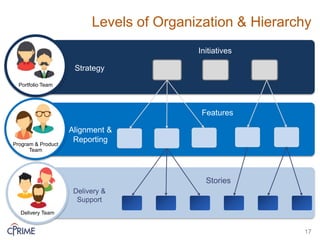
Agile Reporting in JIRA
What is an epic? | Jira Software Cloud | Atlassian Support It's essentially a large user story that can be broken down into a number of smaller stories. An epic can span more than one project, if multiple projects are included in the board where the epic is created. Unlike sprints, scope-change in epics is a natural aspect of agile development. Epics are almost always delivered over a set of sprints.
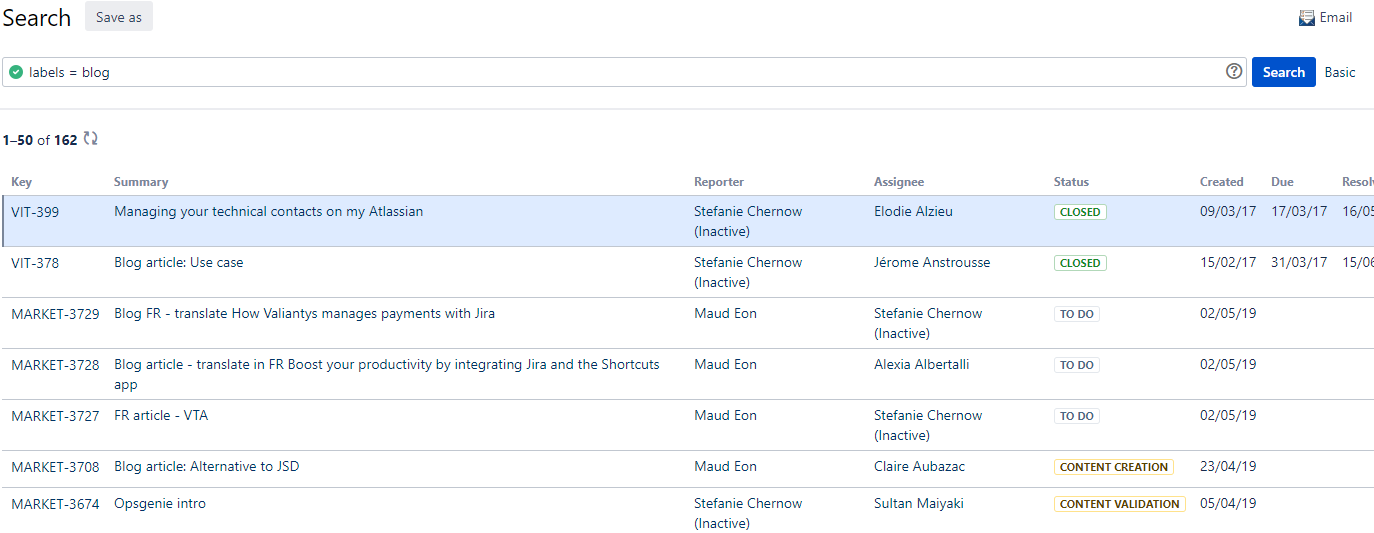
How to manage labels in Jira - Valiantys - Atlassian Platinum ...
Best Practices for Jira Epics - Coyote Creek Often used interchangeably, Epics and features tend to confuse Jira users. While Epics and Features are similar issue types that can be broken down into smaller tasks or stories, the significant difference is how they are placed in the issue hierarchy. Epics are much bigger and are are often the topmost parent in issue hierarchies.

Epic vs Story vs Task - Jira Tutorial 2019
Jira Story Vs Task Vs Epic - LinkedIn It is essentially a large user story that can be broken down into a number of smaller stories. It may take several sprints to complete an epic. Epics are used as functional classifications...
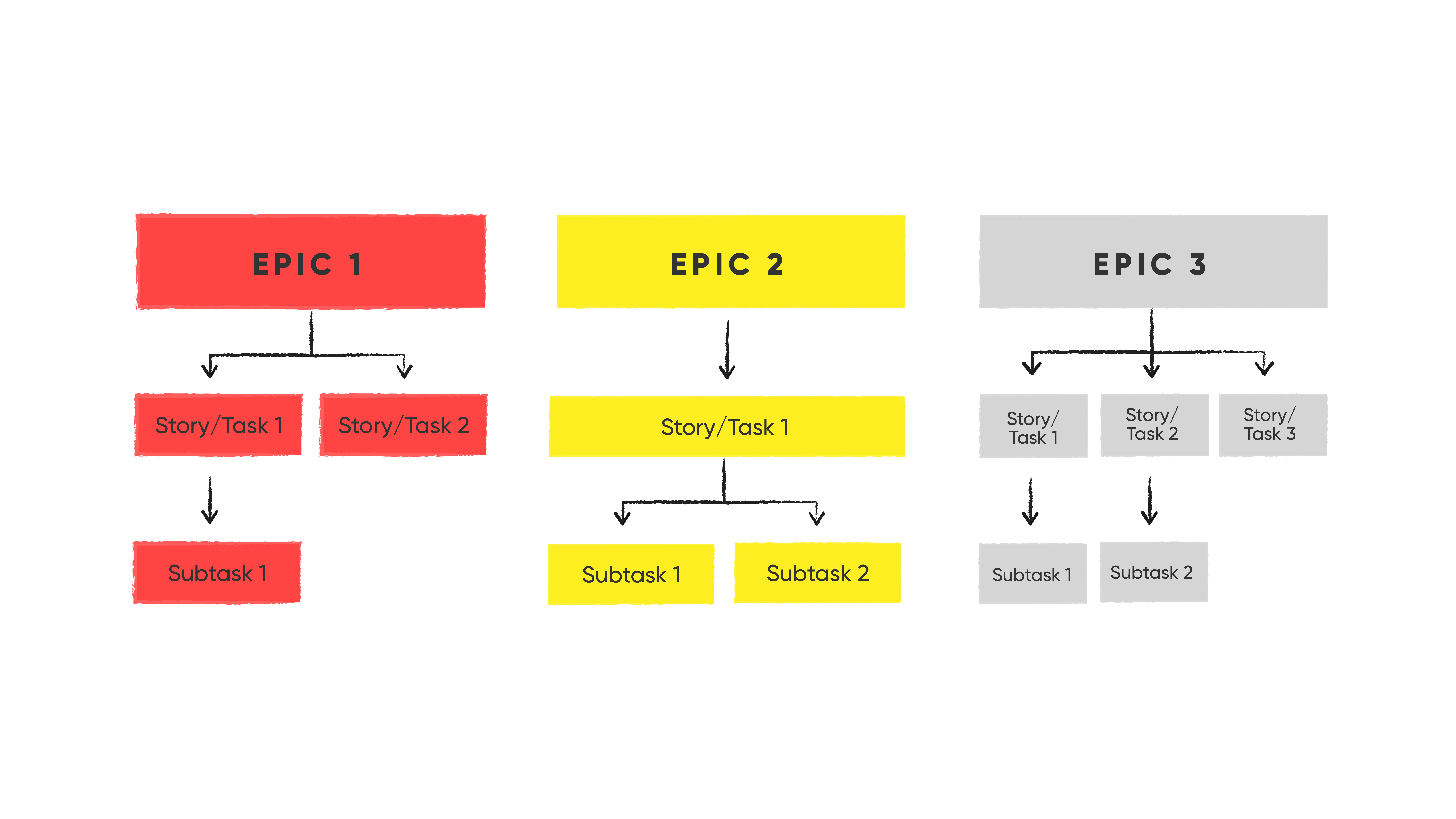
Epics, Stories, Tasks, Subtasks… what's the difference | Last ...
Jira epics, stories, tasks, bugs & custom issues Epics Epics are goals or initiatives that are developed over time through a series of tasks, user stories, and other work types and that result in an outcome. Epics are the top level elements Jira uses in the Roadmap view, and the related work is displayed nested, as user stories or tasks in the levels below.
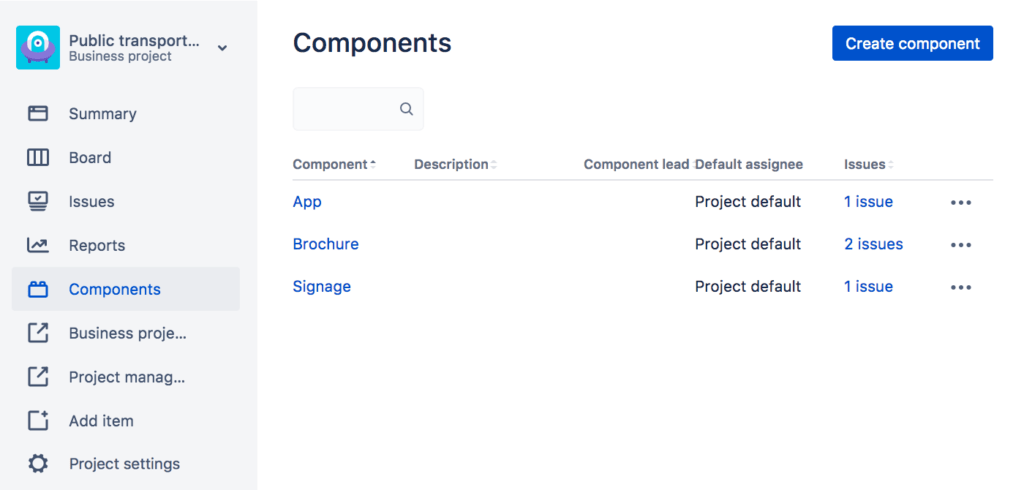
What is Jira and How to Make Most of It in 2022
Jira Project vs Epics vs Categories Components You can use this to represent the architectural elements of your solution. Remarks You don't have to use epics, components, labels or other JIRA features. I suggest you start by reading up on Scrum and JIRA Agile. Grasp the basic understanding of the framework. Many of the best agile teams don't use any tools like JIRA.
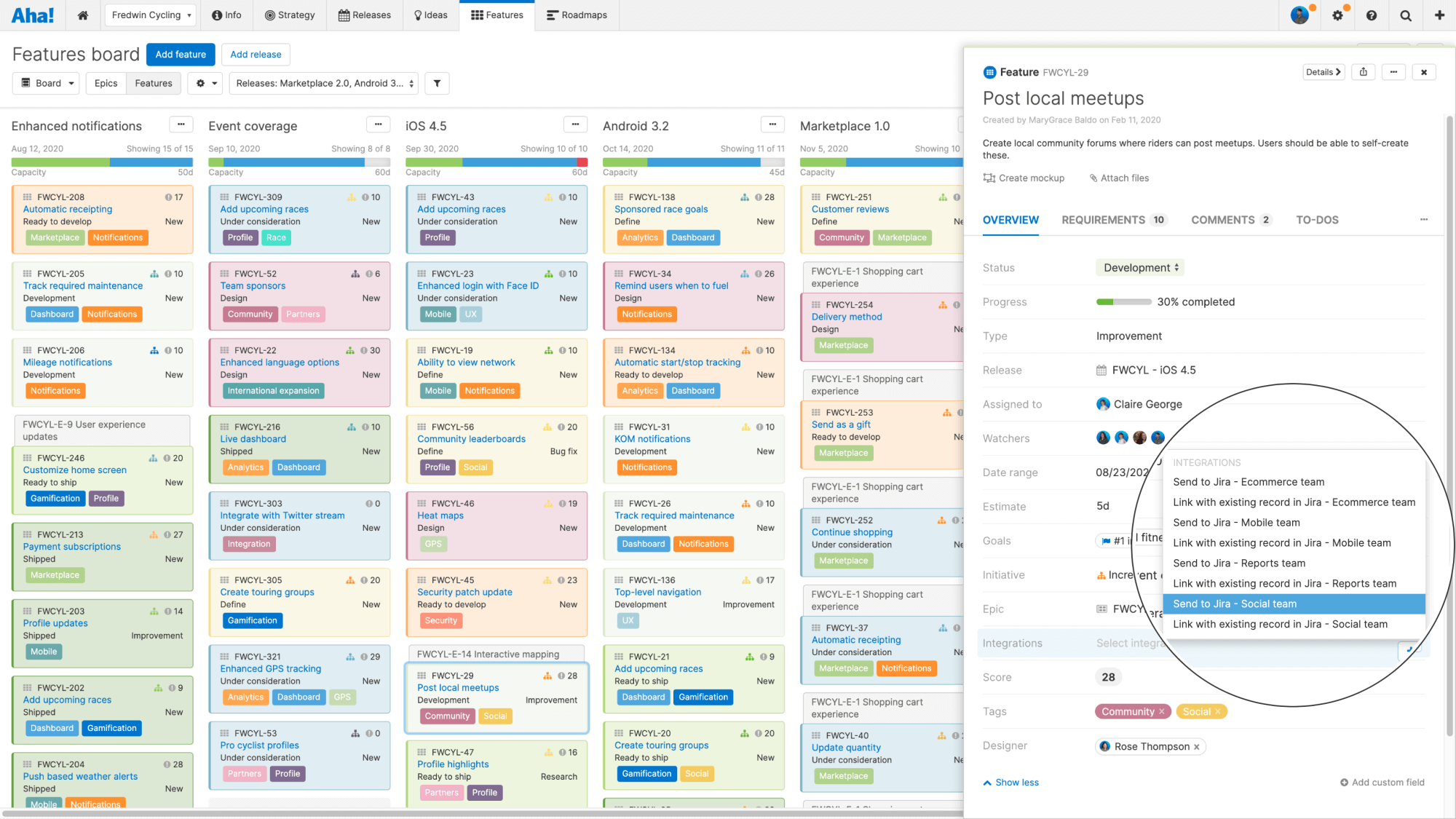
Aha! Roadmaps | Integrate with Jira (integrations 2.0) | Aha ...
component vs epic - Atlassian Community Components are sub sections of your project and you can use them to organize your issues into smaller parts. Epic is a large body of work that can be broken down into smaller user stories or tasks. apurv07 Feb 05, 2020 Hi Mikael, can you elaborate on your points? I am not getting a proper understanding of this.

Jira Epic, Story or Task: What Use and When | Smart Checklist ...
Epics, Stories, Themes, and Initiatives | Atlassian What are stories, epics, and initiatives? Stories, also called "user stories," are short requirements or requests written from the perspective of an end user. Epics are large bodies of work that can be broken down into a number of smaller tasks (called stories). Initiatives are collections of epics that drive toward a common goal.

Stories vs Epics vs Components - modelling a product in ...
Learn how to use epics in Jira Software | Atlassian Epic name - A short identifier for your epic. This will be used as a label on issues that belong to this epic. Epic summary - You'll see this whenever Jira displays the epic. Create an epic on the Roadmap The roadmap is useful for visualizing and planning large pieces of work that may be in progress right now or you may prioritize in the future.
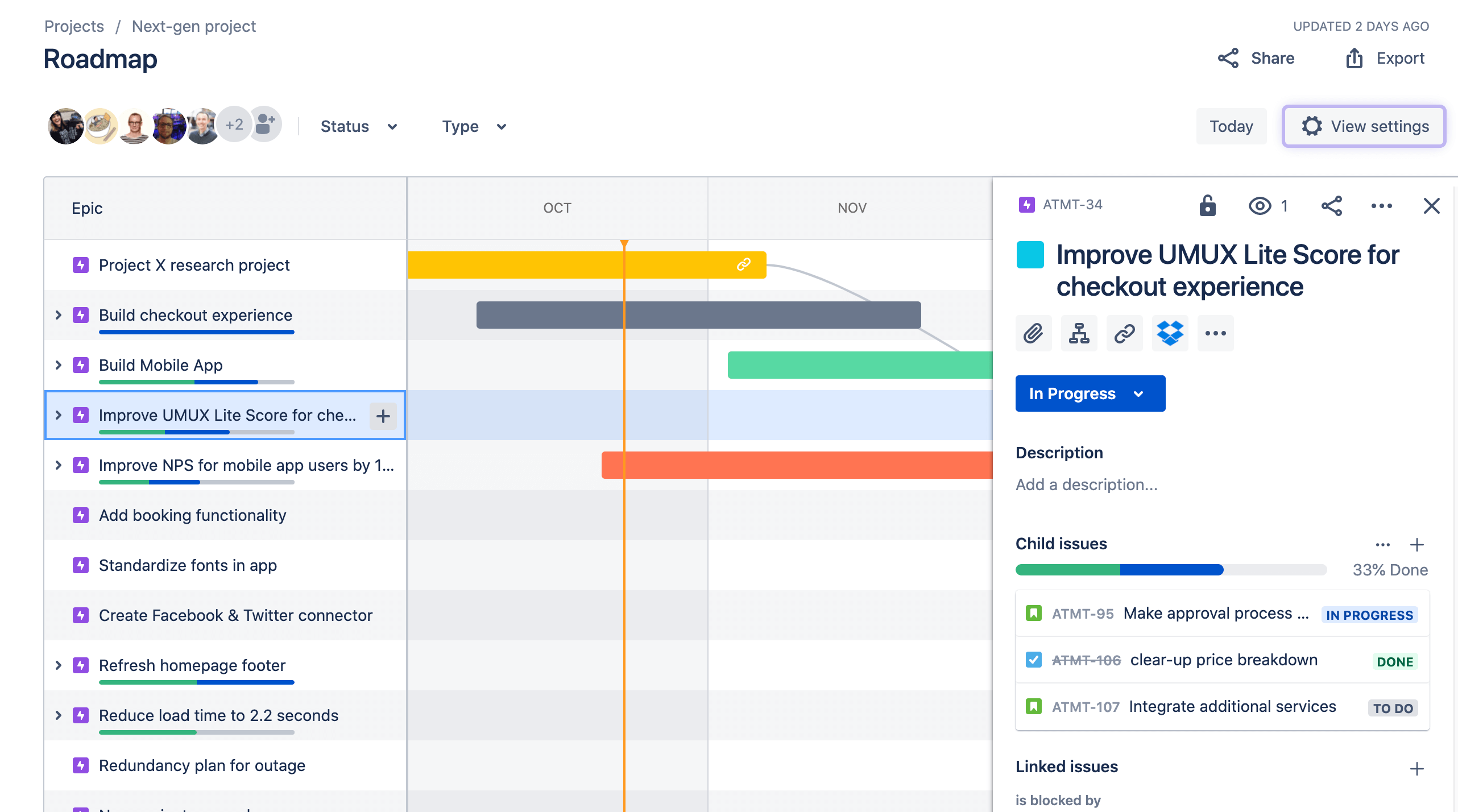
Learn how to use epics in Jira Software | Atlassian
Jira Components Vs Labels / Epics Vs Stories Vs Tasks In Jira R Jira Components are a great way to create sections within a project. This jira tutorial video defines what epics, components, and labels in jira are, what they're used for, and some issues that may arise from . They can be selected from a predictive list if one or more is already in use.
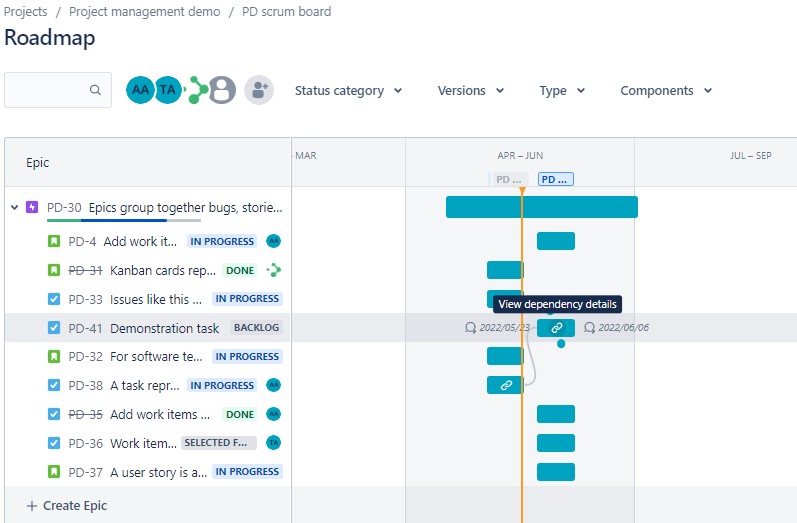
Jira Software or Jira Work Management? 7 aspects to consider ...
Jira: Using Epics vs Components vs Labels - Modus Create This allows you to measure issues that are all related by a common theme — the Epic Name. Since Epics are issue types, they can be created by anyone who has the create issues permission for the project. Components are a great way to create sections within a project.
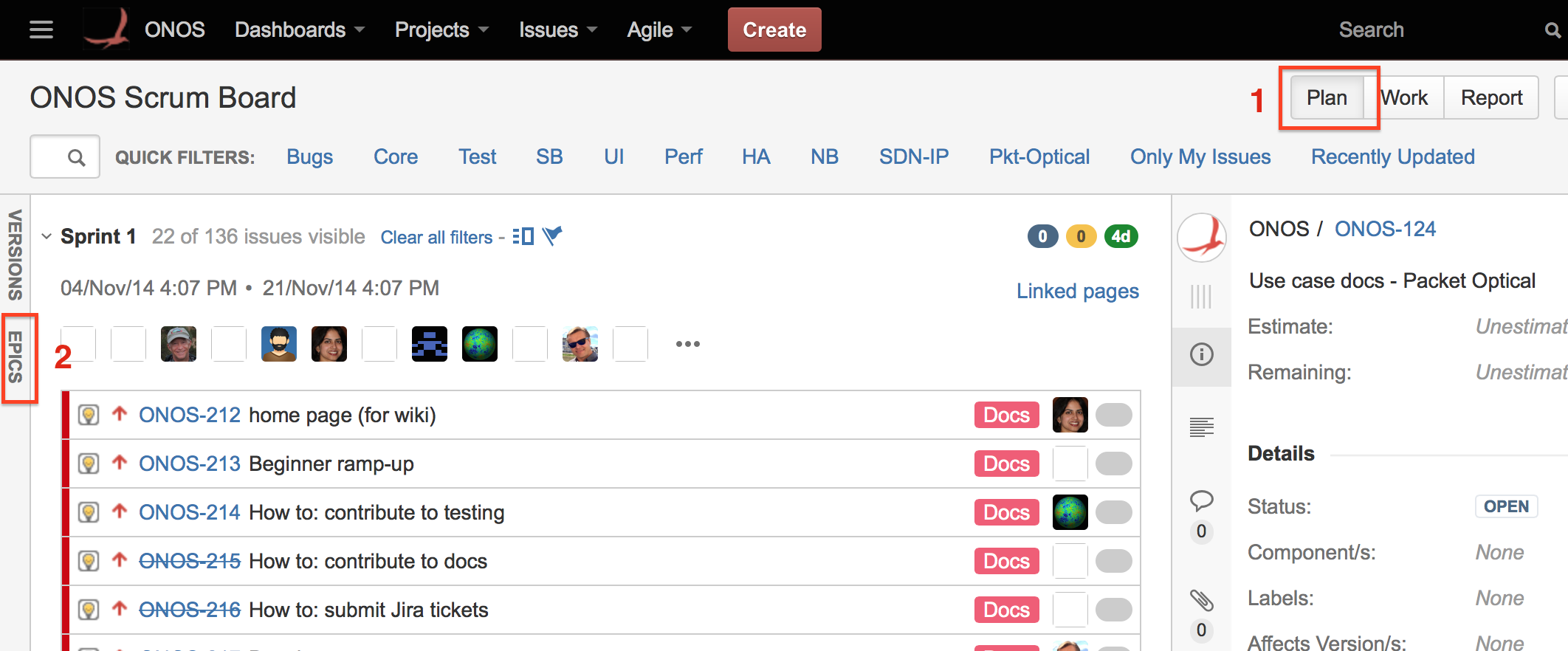
Finding, Claiming, and Working On Issues - ONOS 1.3 - Wiki
Stories vs Epics vs Components - modelling a product in Atlassian JIRA Epics are usually used more like they were components and tend to be static containers. Components even if used do not play a significant role due to limited support. My personal opinion why this...
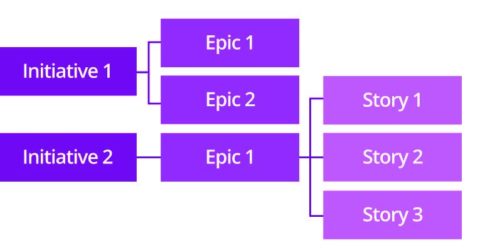
Epics, User Stories, Themes, and Initiatives: The Key ...
Jira Epic, Story or Task: What to Use and When - Smart Checklist for Jira Yes, those in Jira. When working in Jira, you will come across various names, such as Epic, Story, or a Task. In this article, we will explain the difference between each and will provide you with examples of how to use them. What is an Epic in Jira? An Epic is a large body of work that can be broken down into many smaller pieces of work - Stories.
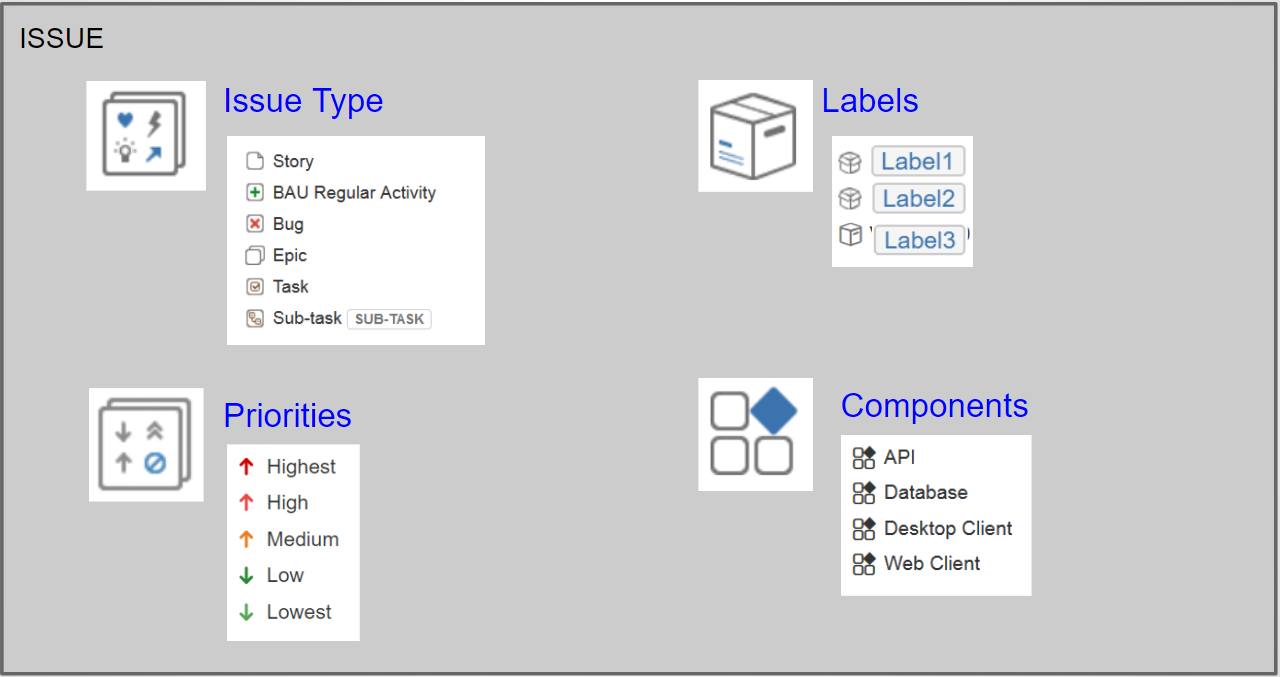
Jira basics - Module 1: An Introduction to Jira
The difference of Jira Epics and Components The official guidance from Jira is An epic captures a large body of work. It is essentially a large user story that can be broken down into a number of smaller stories. It may take several sprints to complete an epic. An epic can span more than one project, if multiple projects are included in the board to which the epic belongs.

7 ways how to manage Jira components easily with Octo | Jexo

Difference Between Jira Epic and Story | Difference Between

Jira 101: Epics - Modus Create

Search Jira like a boss
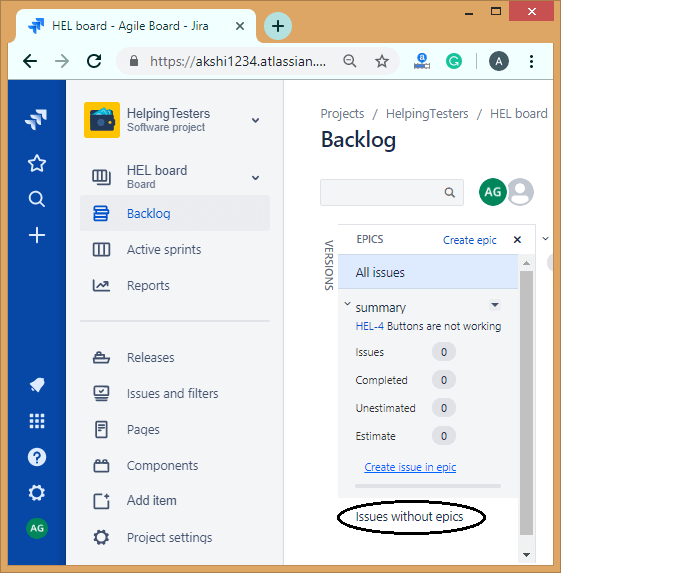
Jira Epic - Javatpoint

Agile with Atlassian JIRA - Agile Project Management

Epics Vs Stories Vs Tasks in Jira : r/jira

A Crash Course on Jira Align's Core Hierarchies
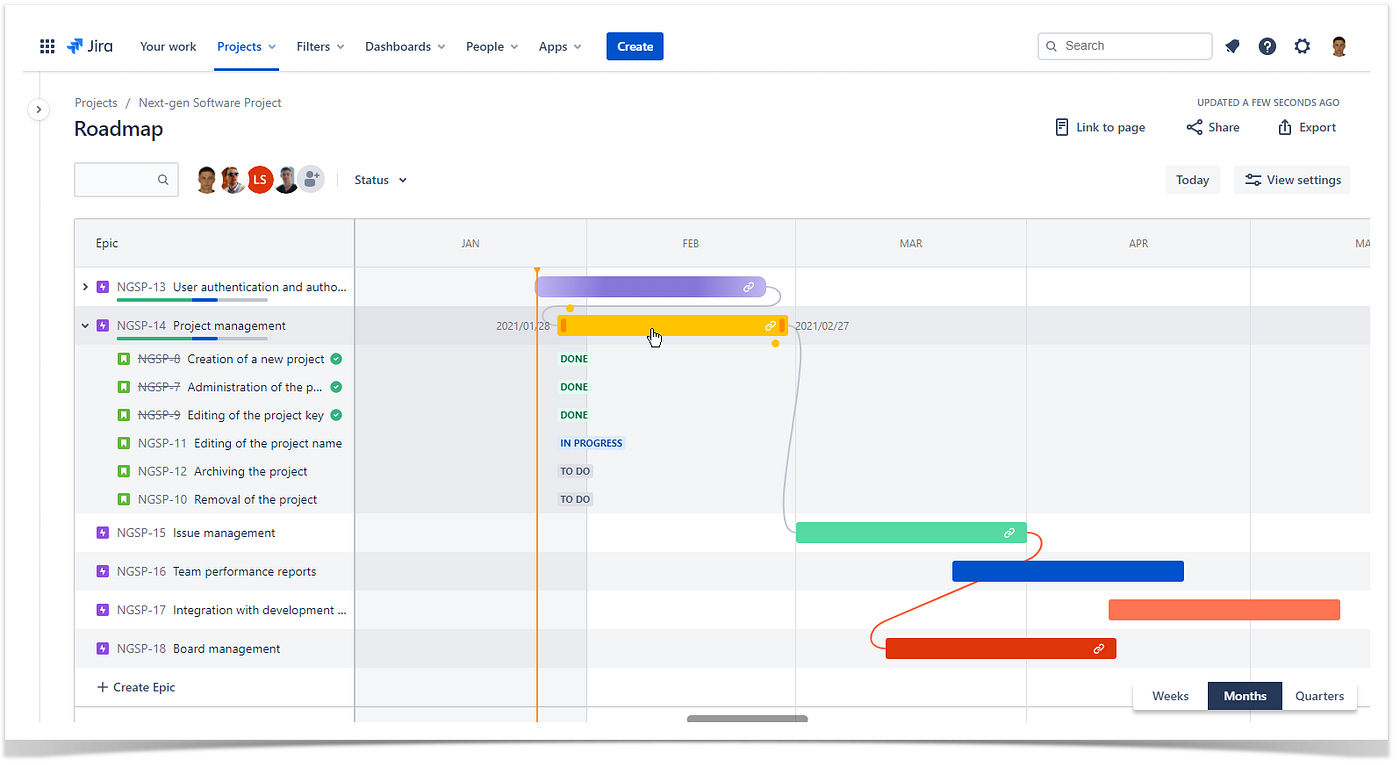
Jira Cloud: Classic vs. Next-gen Projects | by Stiltsoft ...
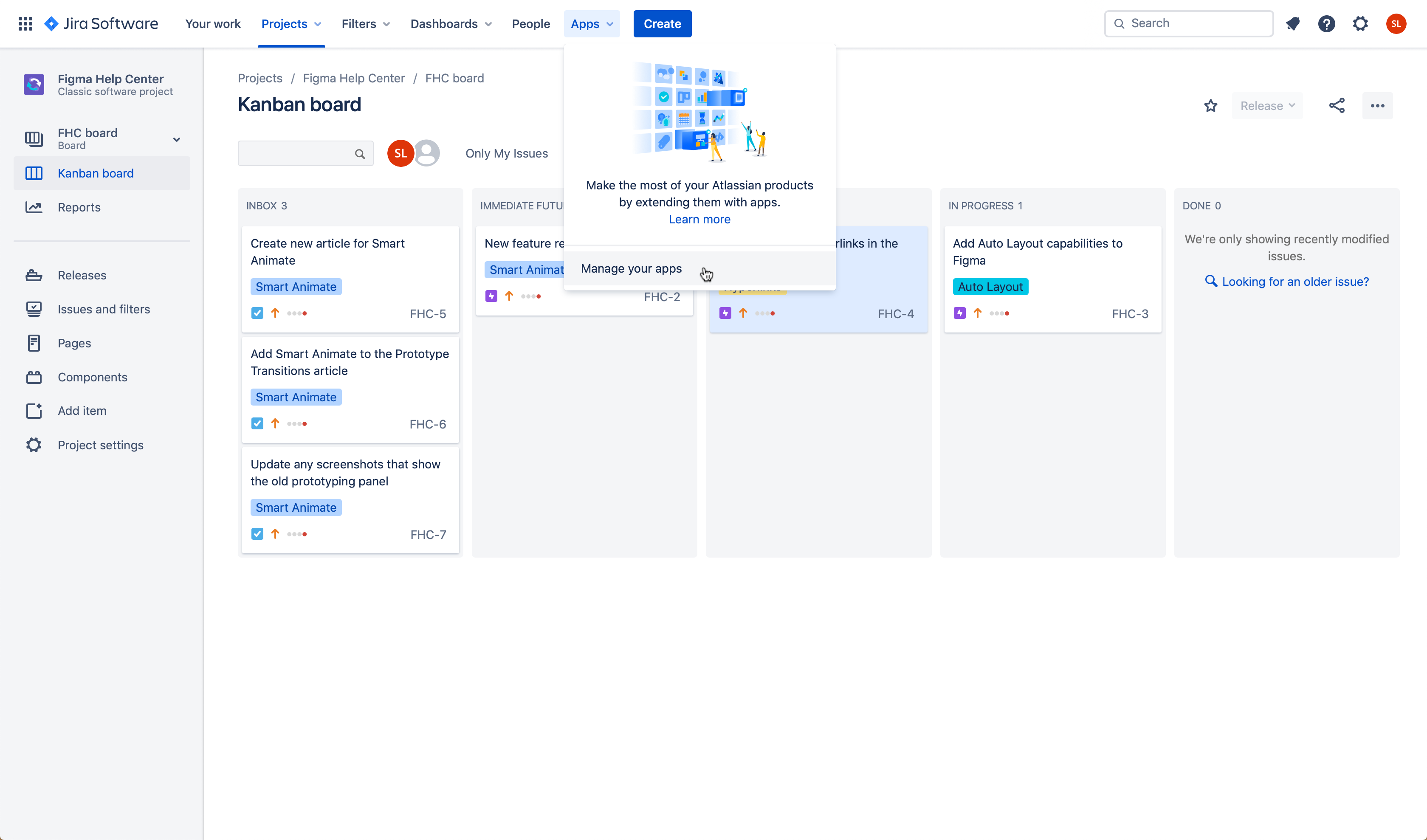
Jira and Figma – Figma Help Center
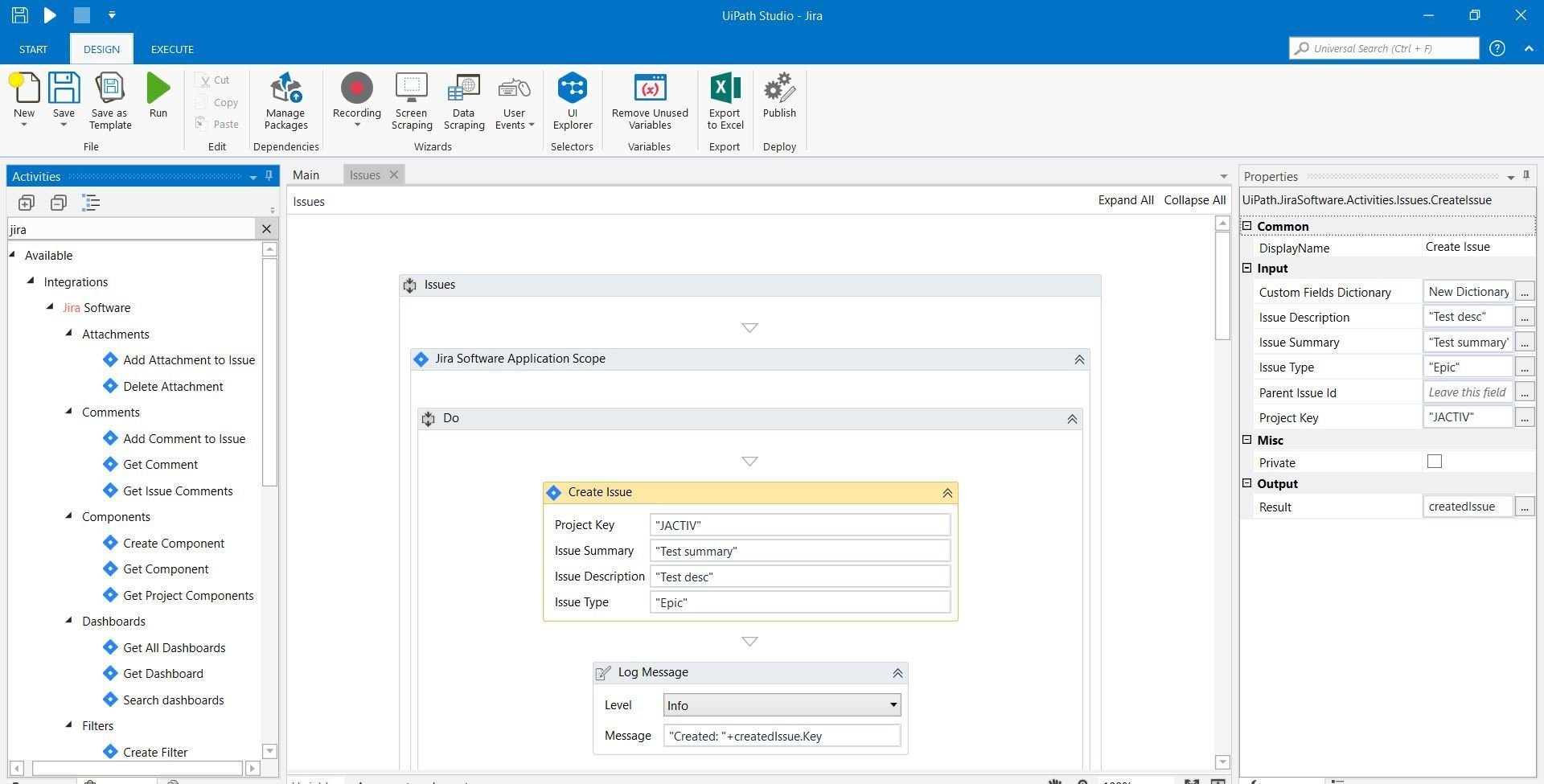
Jira Software Integration - RPA Component | UiPath Marketplace
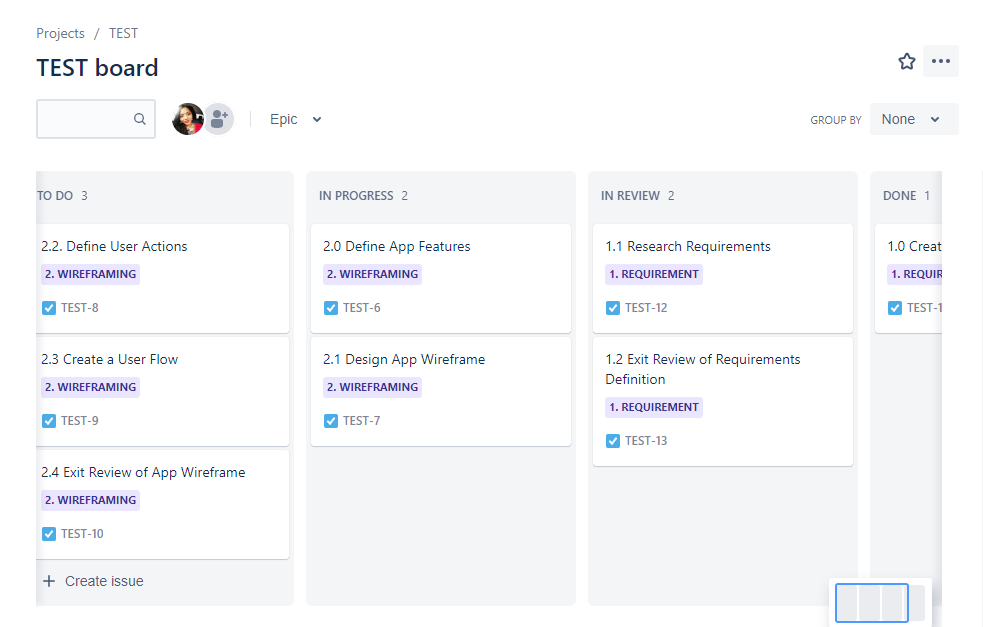
Project Management Made Easy with 8 Features of Jira ...
![How to Set up Roadmaps in Jira: The Complete Guide [2022]](https://www.idalko.com/wp-content/uploads/2020/12/word-image-3.png)
How to Set up Roadmaps in Jira: The Complete Guide [2022]

Organize your Jira issues with subcomponents - Work Life by ...

When to use Epic versus Component feature in Jira ...
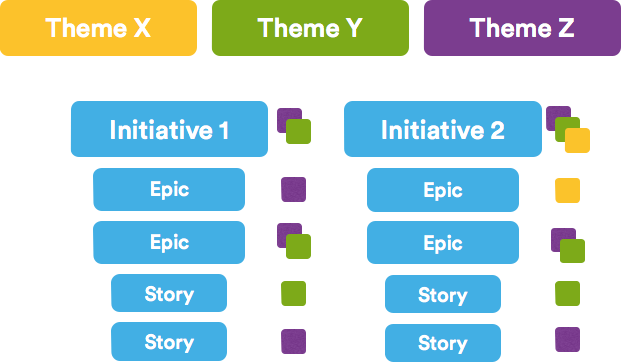
Epics, Stories, Themes, and Initiatives | Atlassian

Epic Battle - Using the Jira Epic correctly

How to Create an Epic Issue Template in Jira Cloud
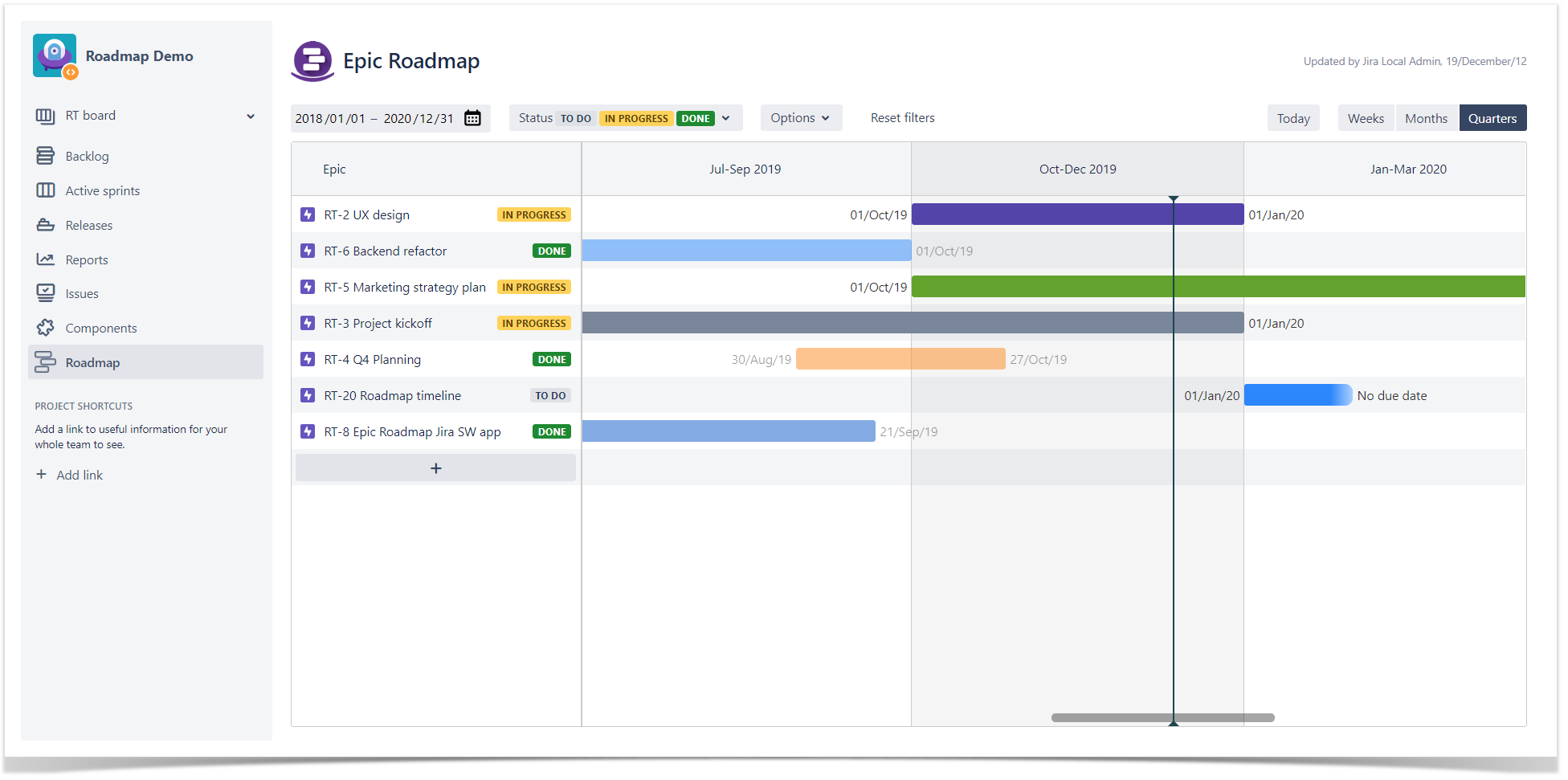
5 New Jira Apps to Work Efficiently – Third Quarter 2019 ...
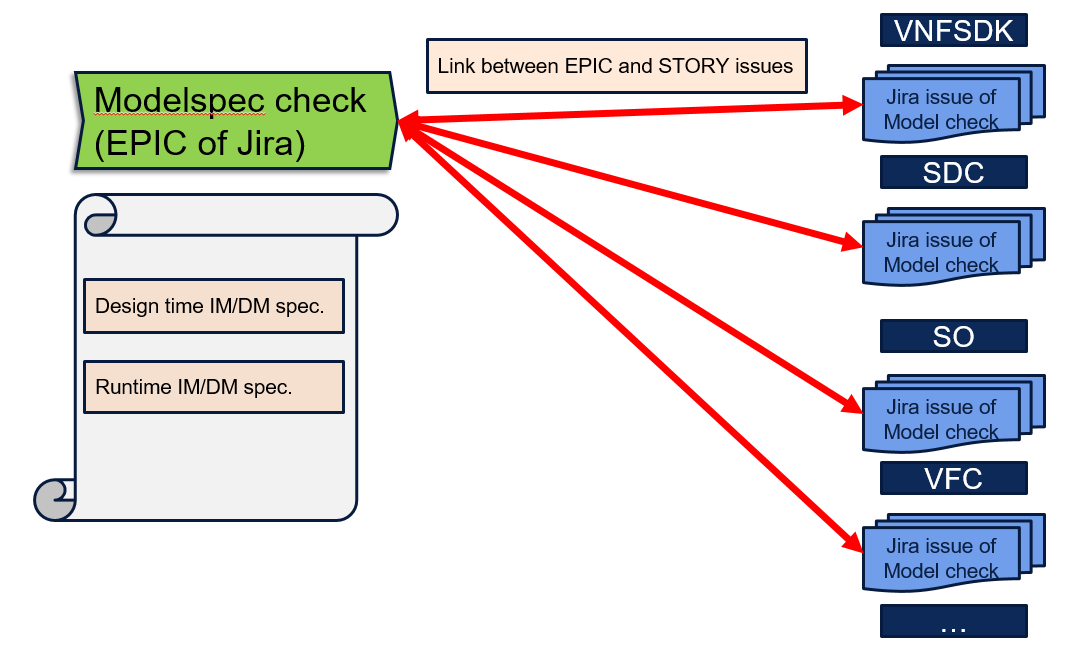
Confluence Mobile - Confluence
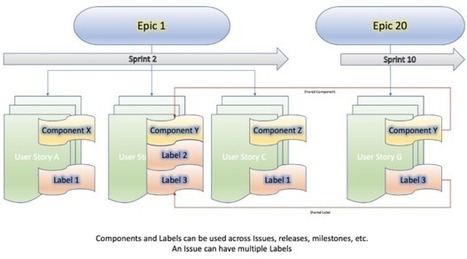
Jira - bugtracker' in Devops for Growth, Page 5 | Scoop.it
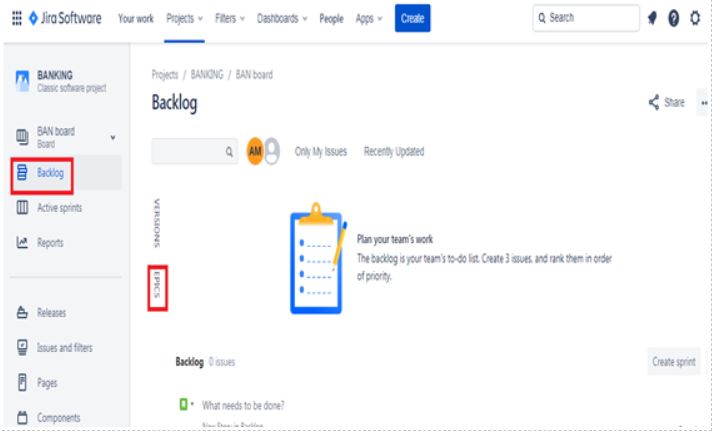
Jira Epic | How to Create Epic in Jira using various Methods?
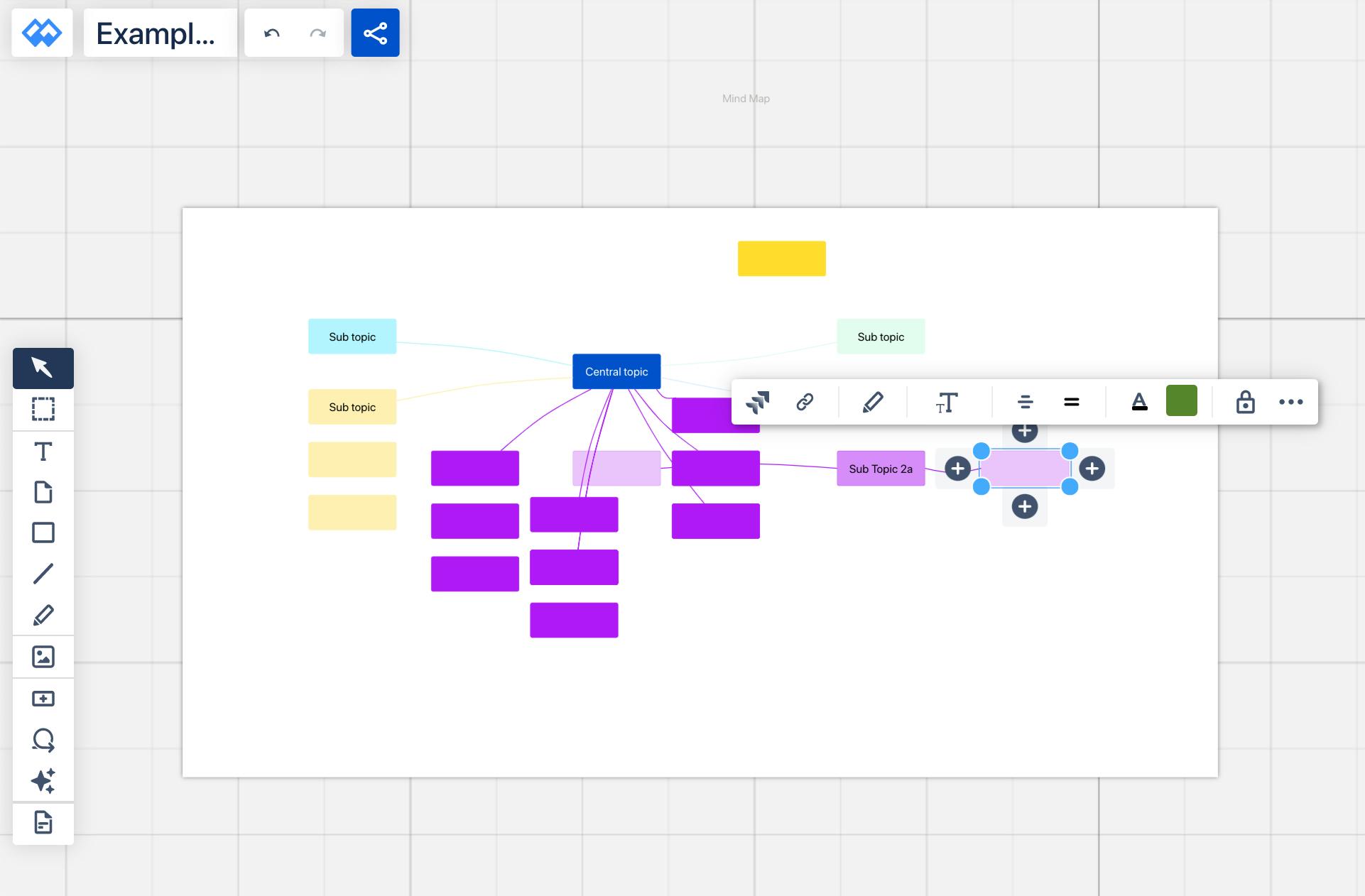
Project Visualization in Jira | Whiteboards.io
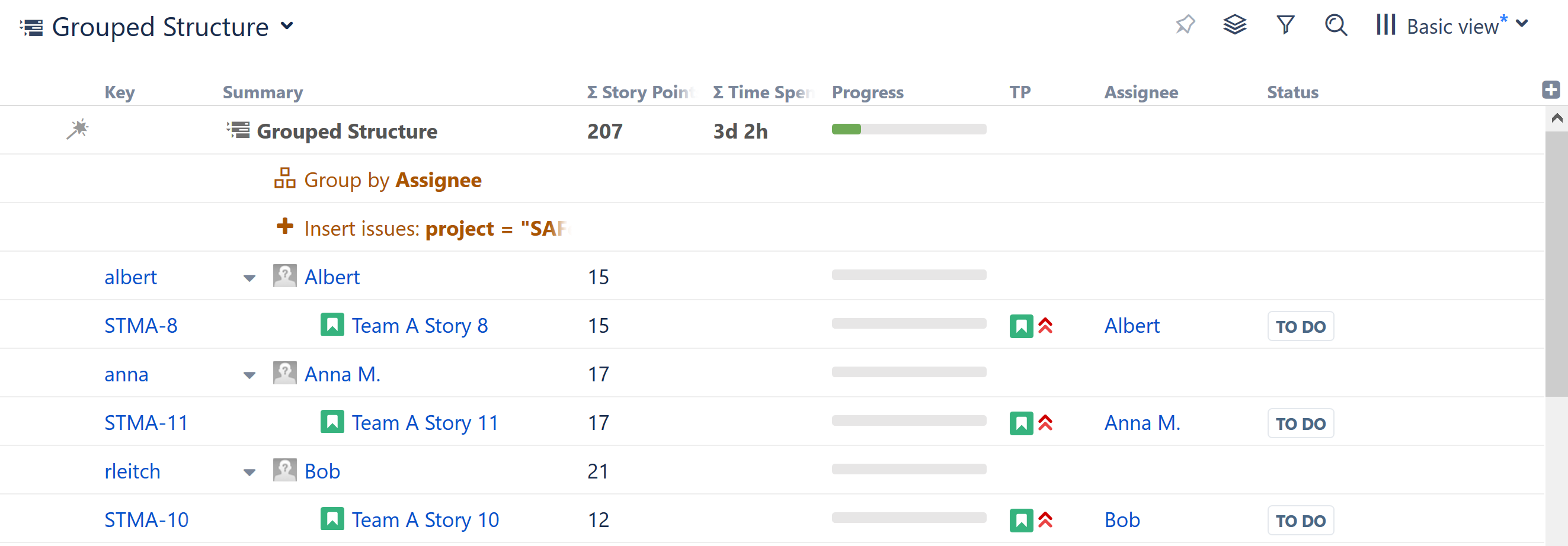
Group Generators

Jira: Using Epics vs Components vs Labels - Modus Create
![Agile Hive: The Complete Guide to SAFe in Jira [2022]](https://www.idalko.com/wp-content/uploads/2021/08/word-image-3.png)
Agile Hive: The Complete Guide to SAFe in Jira [2022]
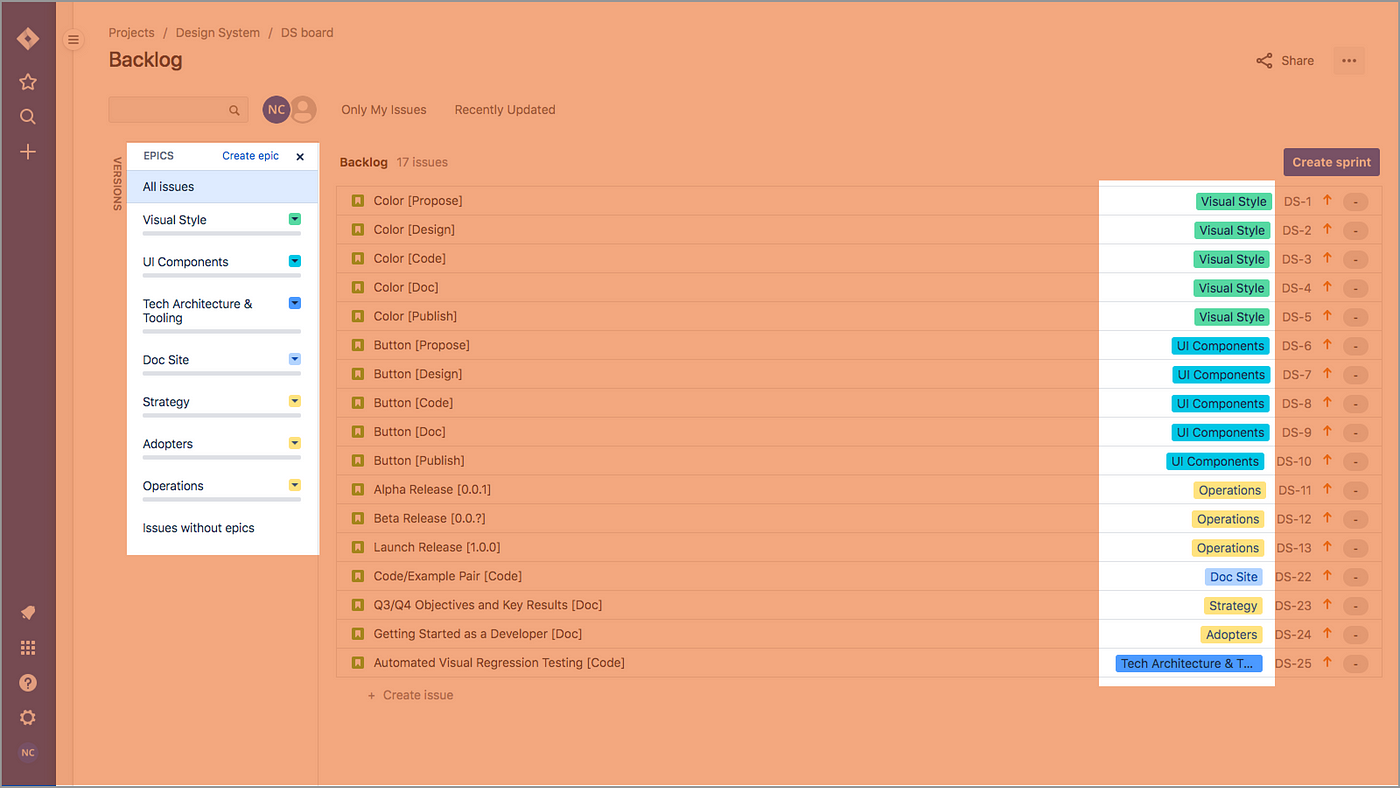
Using Jira for Design Systems. Iterate Work with Stories ...
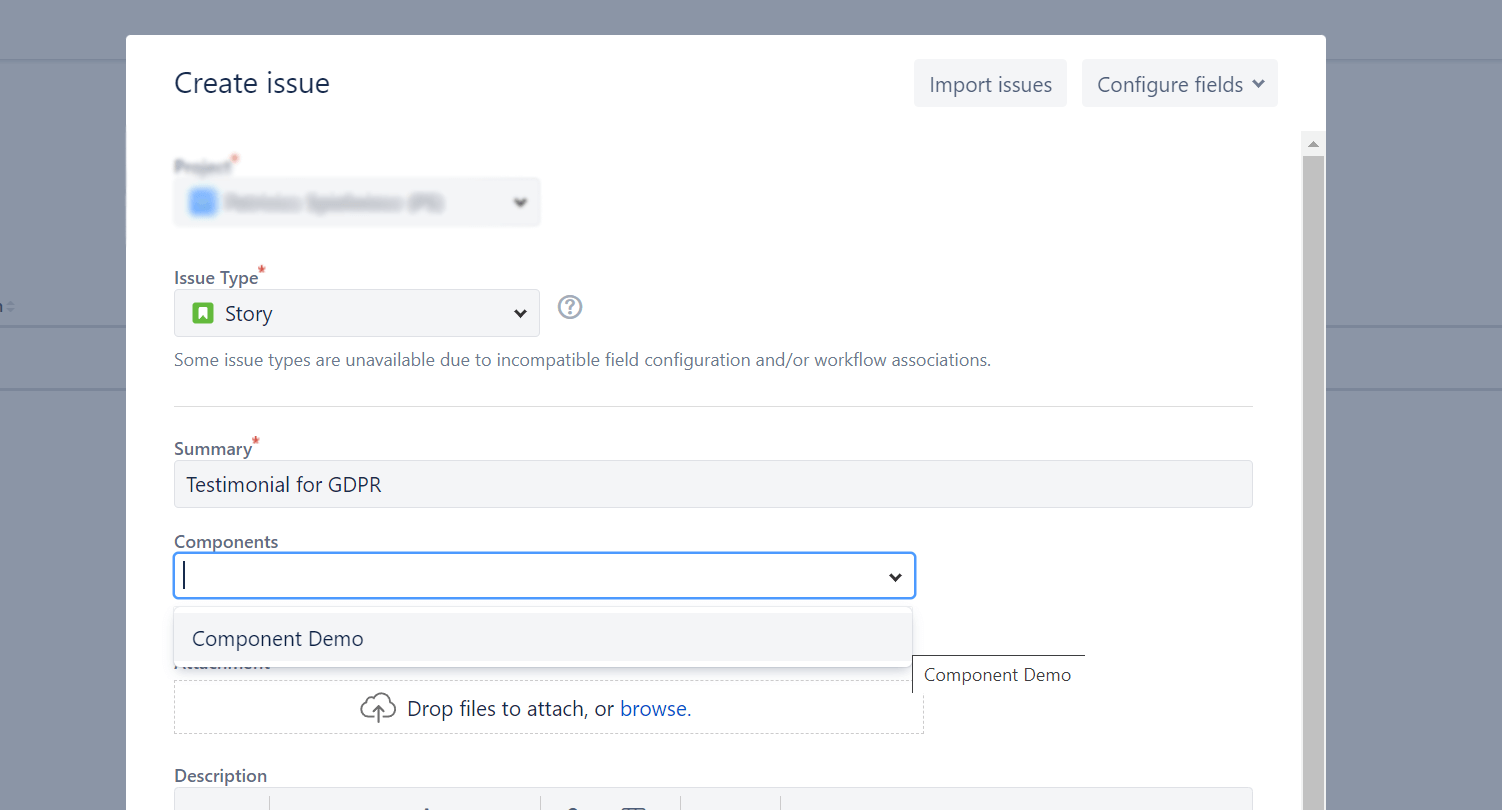
Jira components vs. labels: how to use them correctly ...


Komentar
Posting Komentar